
7/15/2026 · 6 min read
Do Veneers Ruin Your Teeth? The Truth About Tooth Preparation
Do veneers damage your teeth? The honest answer about tooth preparation — and how to make sure yours are done safely.
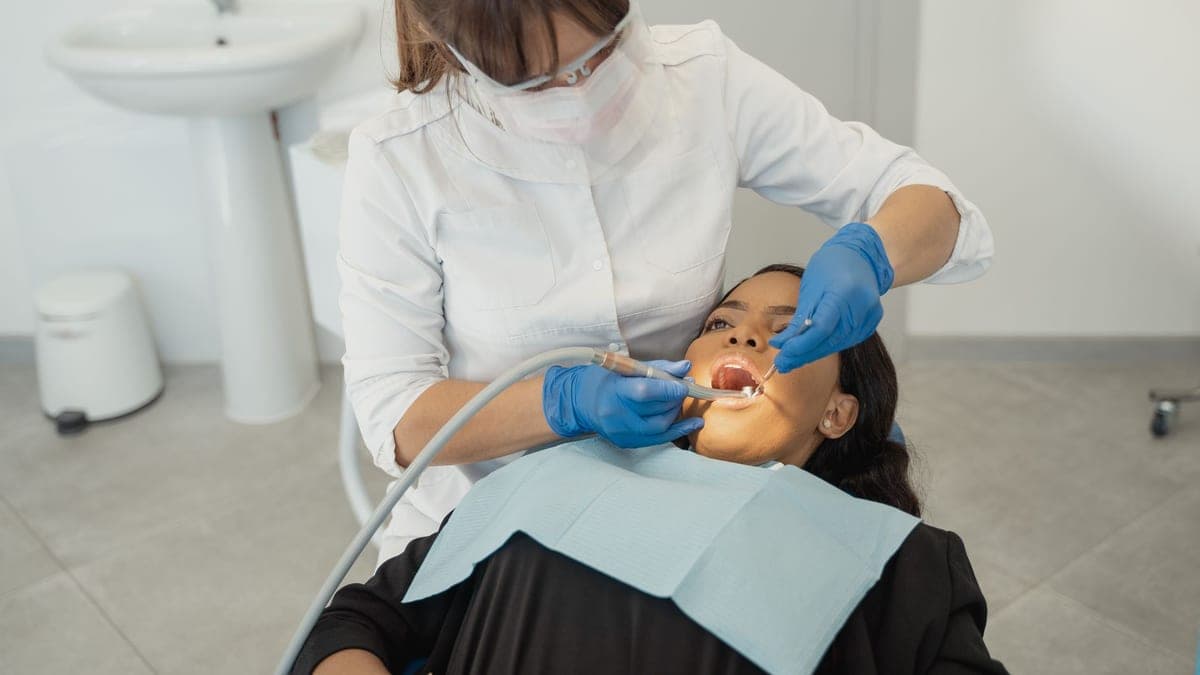
Done properly, veneers don't ruin your teeth — minimal-prep porcelain veneers remove only a thin sliver of enamel, and some cases need almost none. The damage in horror stories comes from over-preparation (aggressively filing healthy teeth or crowning them needlessly), which is a clinic decision, not an inherent property of veneers.
Key takeaways
- Properly done veneers remove only a thin layer of enamel — sometimes almost none.
- The ‘ruined teeth’ stories come from over-preparation, not veneers themselves.
- Veneers are not fully reversible, so they should be a considered choice.
- Choosing a conservative, named dentist is how you avoid damage.
How much tooth is removed for veneers?
For a conservative porcelain veneer, a dentist typically removes only about 0.3–0.7 mm from the front surface of the tooth — a thin layer of enamel, comparable to the thickness of the veneer replacing it. Some cases qualify for ‘no-prep’ or minimal-prep veneers that remove almost nothing. What matters is that only what's necessary is removed, and only from teeth that genuinely benefit — not wholesale filing of healthy teeth.
So why do people say veneers ruin teeth?
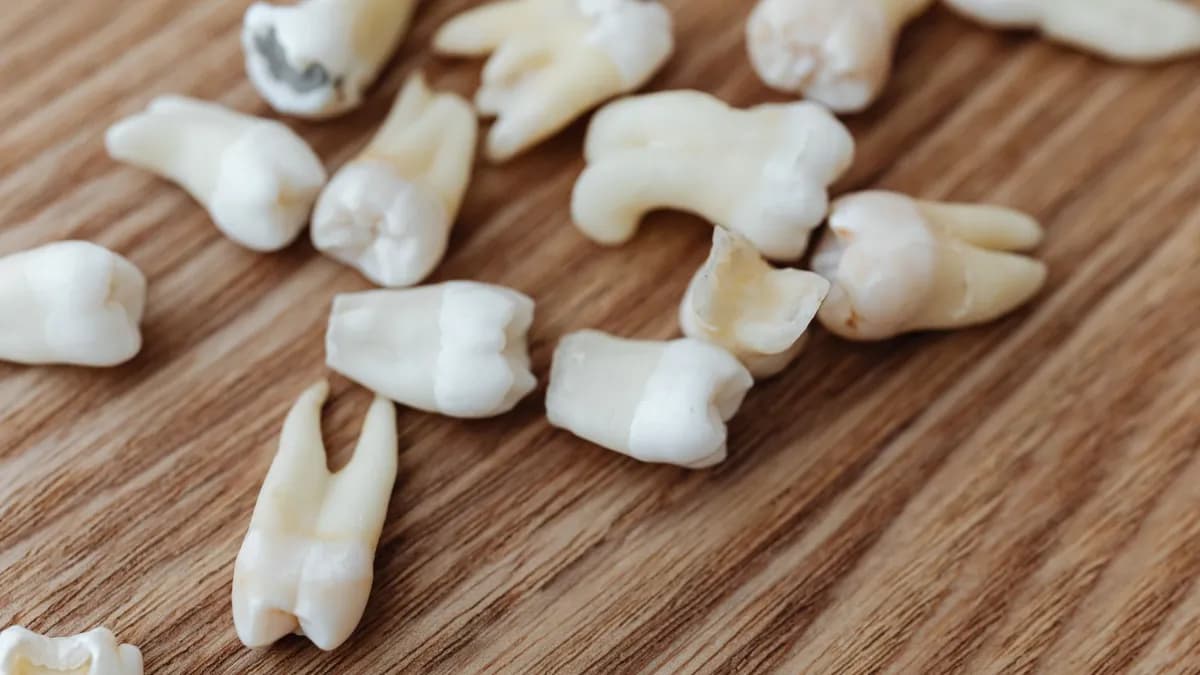
The horror stories almost always trace back to over-treatment: healthy teeth aggressively filed down to small ‘pegs’ or crowned when a minimal-prep veneer would have done. That removes far more tooth than necessary and can stress the nerve. This is the ‘Turkey teeth’ pattern — but the same mistake happens anywhere a clinic prioritises speed and volume over conservative planning. It's a clinic problem, not a property of veneers.
Safe, conservative approach
- Minimal enamel removed (~0.3–0.7 mm)
- No-prep where suitable
- Only teeth that benefit are treated
- Nerve protected, healthy tooth preserved
The over-preparation mistake
- Healthy teeth filed to small pegs
- Crowning when a veneer would do
- More tooth removed than necessary
- Risk of nerve damage and sensitivity
Are veneers reversible?
Honestly, not fully. Because even a conservative veneer removes a thin layer of enamel, the tooth will always need some form of covering afterwards — enamel doesn't grow back. No-prep veneers are the exception and can sometimes be removed. This is exactly why veneers should be a considered decision on teeth that truly benefit, with the most conservative preparation possible, rather than a default applied to a whole healthy smile.
How do you make sure yours are done safely?
Choose a named, accredited dentist who leads with conservative planning, ask specifically how much enamel will be removed and why, and request minimal-prep or no-prep options where suitable. Insist on a digital preview so you approve the plan first. If a clinic proposes filing down or crowning healthy teeth without a clear clinical reason, walk away — that's the exact decision behind the horror stories.
Frequently asked
Done conservatively, they remove only a thin layer of enamel and don't damage the tooth. Damage comes from over-preparation, which a good dentist avoids.
Typically about 0.3–0.7 mm for a porcelain veneer — sometimes almost none with no-prep options. Only what's necessary should be removed.
Not fully, because a thin layer of enamel is removed and doesn't grow back. No-prep veneers are the exception and can sometimes be removed.
Almost always from over-preparation — healthy teeth filed down heavily or crowned needlessly. It's a clinic decision, not a property of veneers.
Choose a conservative, named dentist, ask how much enamel will be removed, and request minimal-prep options with a digital preview before treatment.
Get a conservative plan
Share a few photos and our dentist will map the most tooth-preserving plan for your case — free, within 24 hours.
Message us on WhatsApp