7/14/2026 · 6 min read
E-max vs Zirconia Veneers: A Dentist's Honest Comparison
E-max or zirconia? An honest, dentist's-eye comparison of the two leading veneer and crown materials.
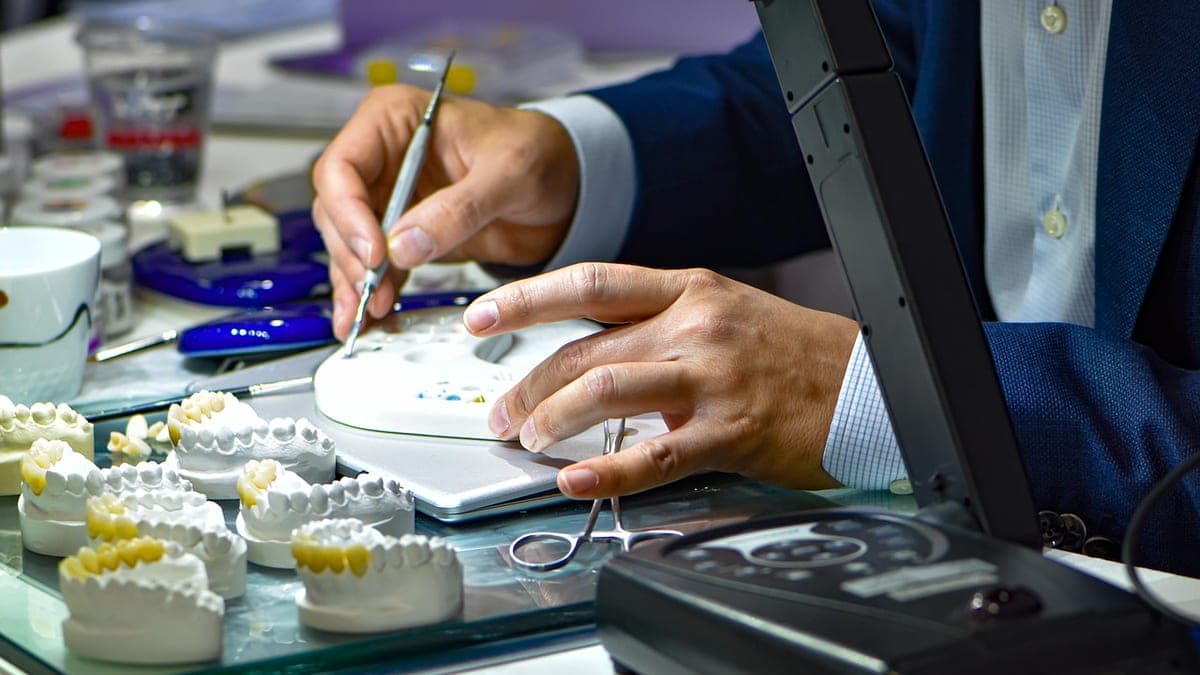
E-max (lithium disilicate) is the most translucent, natural-looking option — ideal for front teeth and thin veneers. Zirconia is stronger and better for back teeth, heavy bite forces or full crowns, and modern layered zirconia now looks natural too. Most beautiful, durable smiles use both: E-max where looks matter most, zirconia where strength does.
Key takeaways
- E-max: most translucent and natural — best for front-tooth veneers.
- Zirconia: strongest — best for back teeth, heavy bites and full crowns.
- Modern multilayer zirconia now looks far more natural than older versions.
- The best result often combines both materials across the smile.
What's the difference between E-max and zirconia?
E-max is a lithium-disilicate glass ceramic prized for translucency — it lets light pass through much like natural enamel, which is why it's the go-to for front-tooth veneers. Zirconia is a denser, tougher ceramic that resists fracture under heavy forces, making it ideal for back teeth and full crowns. Older zirconia looked opaque, but today's multilayer zirconia blends strength with a much more natural appearance, narrowing the gap.
| Criterion | E-max | Zirconia |
|---|---|---|
| Translucency | Highest, very natural | Good (multilayer) |
| Strength | High | Highest |
| Best for | Front teeth, thin veneers | Back teeth, crowns, heavy bite |
| Thinness | Can be very thin | Slightly thicker |
| Look | Most lifelike | Very natural (modern) |
When is E-max the better choice?
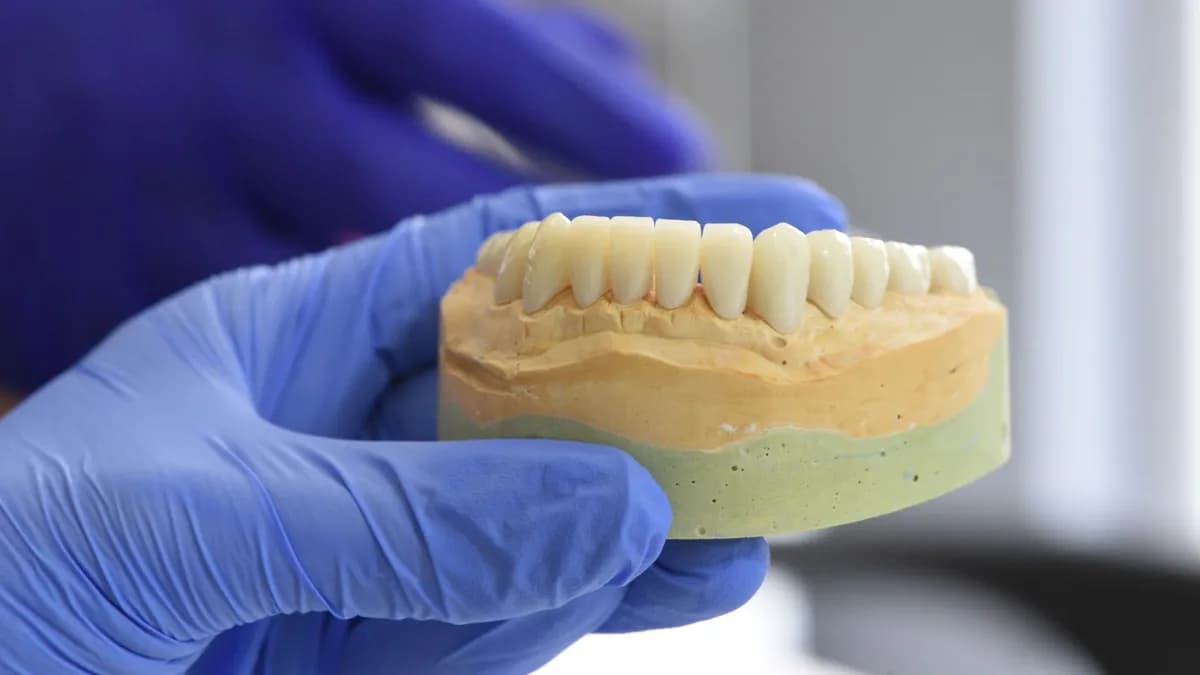
For the visible front teeth — where translucency and a lifelike glow matter most — E-max is usually the first choice. It can be made very thin, supporting minimal-prep veneers that preserve more of your natural tooth. If your priority is the most natural-looking smile and your bite forces on those teeth are normal, E-max delivers the aesthetic edge.
When is zirconia the better choice?
Zirconia earns its place where strength counts: back teeth that take heavy chewing loads, teeth under grinding stress, longer bridges, and full crowns on damaged or root-treated teeth. It's more fracture-resistant than E-max, so it's the safer bet under force. With modern layered zirconia, you no longer trade away all the aesthetics to get that durability.
Which should you choose for a full smile?
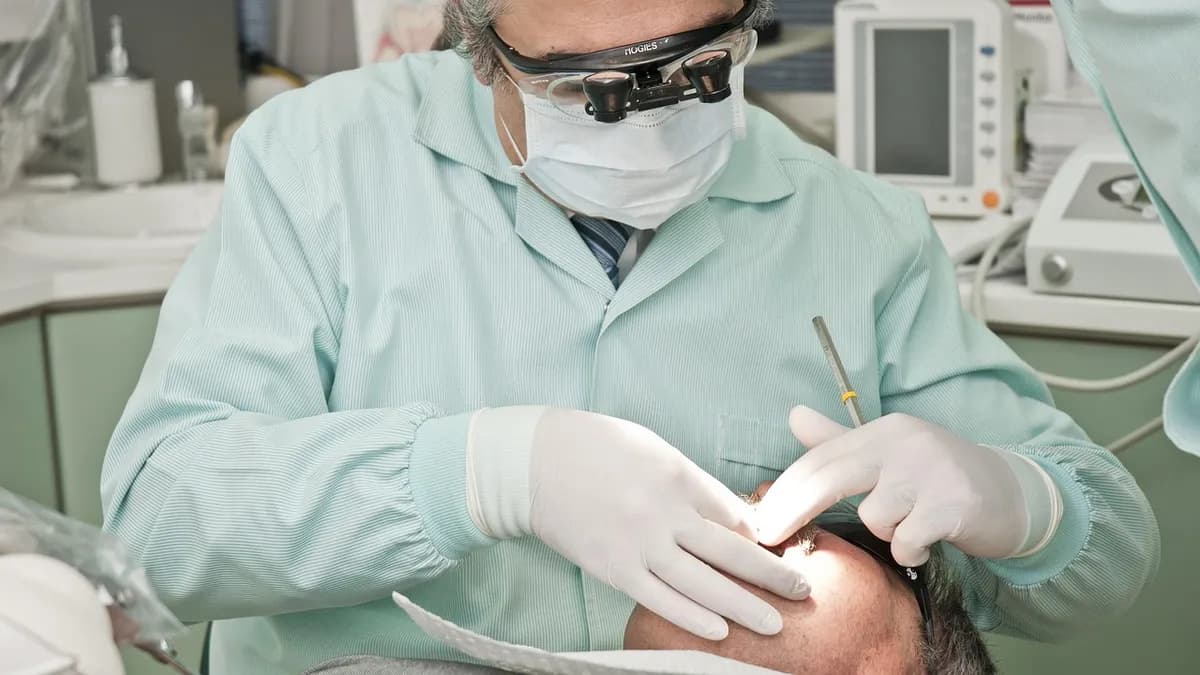
You often don't have to choose just one. A skilled dentist frequently uses E-max on the highly visible front teeth for maximum realism and zirconia on the back or load-bearing teeth for strength — giving you the best of both. The right mix is decided per tooth based on visibility, bite and whether the tooth is being veneered or crowned. Ask your dentist to explain the material choice for each tooth.
Frequently asked
E-max is the most translucent and lifelike, ideal for front teeth. Modern multilayer zirconia also looks very natural but is slightly less translucent.
Zirconia is stronger and more fracture-resistant, making it better for back teeth, heavy bites and full crowns.
Yes, and it's common — E-max on visible front teeth for looks, zirconia on back or load-bearing teeth for strength.
Modern layered zirconia can look natural on front teeth, but E-max is usually preferred there for maximum translucency.
They're broadly similar per tooth in Turkey. The choice should be driven by the tooth's needs, not a small price difference.
Get your material recommendation
Share a few photos and we'll suggest the best material for each tooth — E-max, zirconia or a mix — within 24 hours.
Message us on WhatsApp