7/13/2026 · 7 min read
Porcelain Veneers in Turkey: Costs, Types and Honest Pros & Cons
A straight guide to porcelain veneers in Turkey — what they cost, the types available, and the honest pros and cons.
Porcelain veneers in Turkey typically cost £180–320 per tooth — around 50–70% less than the UK for the same materials (E-max, zirconia). They're a durable, natural-looking way to change tooth colour and shape, and when done conservatively they remove very little enamel. The key is a dentist who preserves healthy tooth structure.
Key takeaways
- Porcelain veneers in Turkey: typically £180–320 per tooth, same brands as Europe.
- Main types: E-max (translucent, front teeth) and zirconia (stronger, higher load).
- Done well, veneers remove minimal enamel and last 10–15+ years.
- The main risk is over-preparation — choose a conservative, named dentist.
How much do porcelain veneers cost in Turkey?
Porcelain veneers in Turkey typically cost £180–320 per tooth, compared with £800–1,200 in the UK — roughly 50–70% less for the same brand materials and lab standards. Your total depends on how many teeth you treat: a common ‘social six’ (the front six) or a full smile of 16–20 teeth. Because per-tooth pricing is similar between good clinics, the number of teeth is what really drives your quote — so ask for it in writing before you travel.
Indicative ranges — request a free, itemised WhatsApp quote.
E-max vs zirconia: which type of veneer?
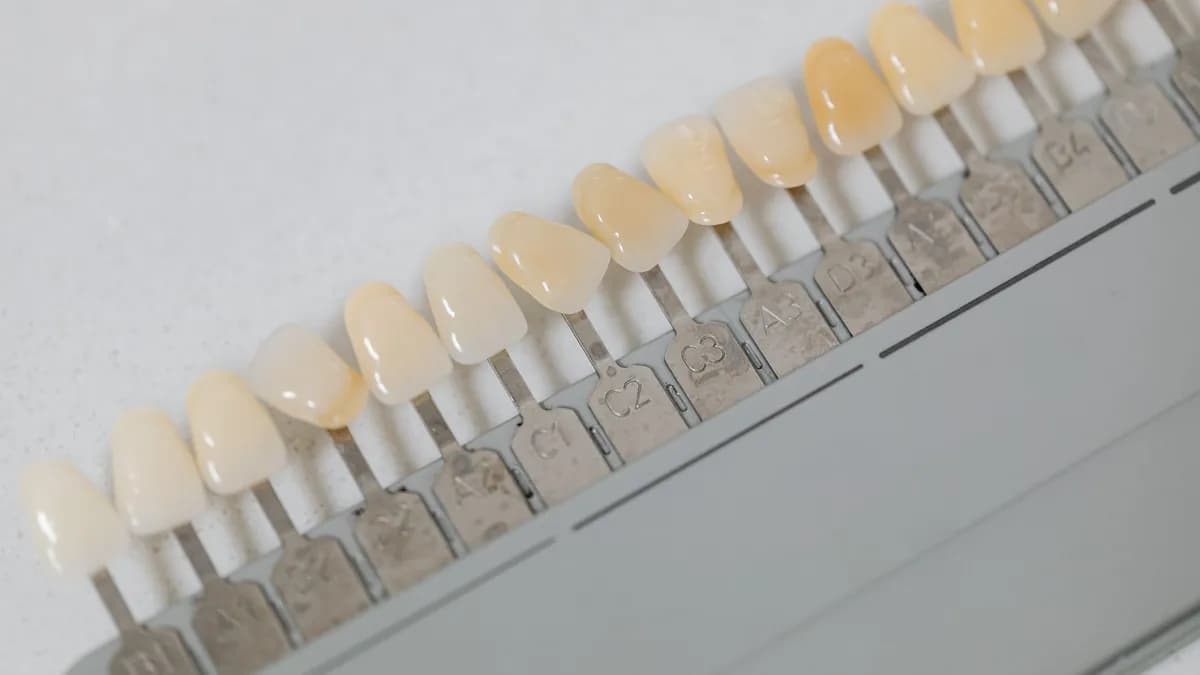
The two most common porcelain veneer materials are E-max (lithium disilicate) and zirconia. E-max is prized for its translucency and lifelike appearance, making it a favourite for front teeth. Zirconia is stronger and better suited to higher-load situations or fuller coverage, though newer multilayer zirconia now looks very natural too. A good dentist picks the material per tooth based on aesthetics and function — not a one-material-fits-all policy.
E-max veneers
- Highly translucent, very natural
- Ideal for front-tooth aesthetics
- Minimal-prep in suitable cases
- Excellent for colour and shape
Zirconia veneers/crowns
- Stronger, higher load tolerance
- Good for back teeth or full coverage
- Modern layered zirconia looks natural
- Slightly more preparation for crowns
The honest pros and cons of veneers
Veneers are one of the most effective ways to change the colour, shape and alignment of front teeth — fast, durable and, done conservatively, minimally invasive. The honest downside is that they are not fully reversible: even minimal preparation removes a thin layer of enamel, and once placed, veneers need eventual replacement after 10–15+ years. That's why they should be a considered choice for teeth that genuinely benefit, not a default applied to every tooth.
How do you get a natural, safe result?
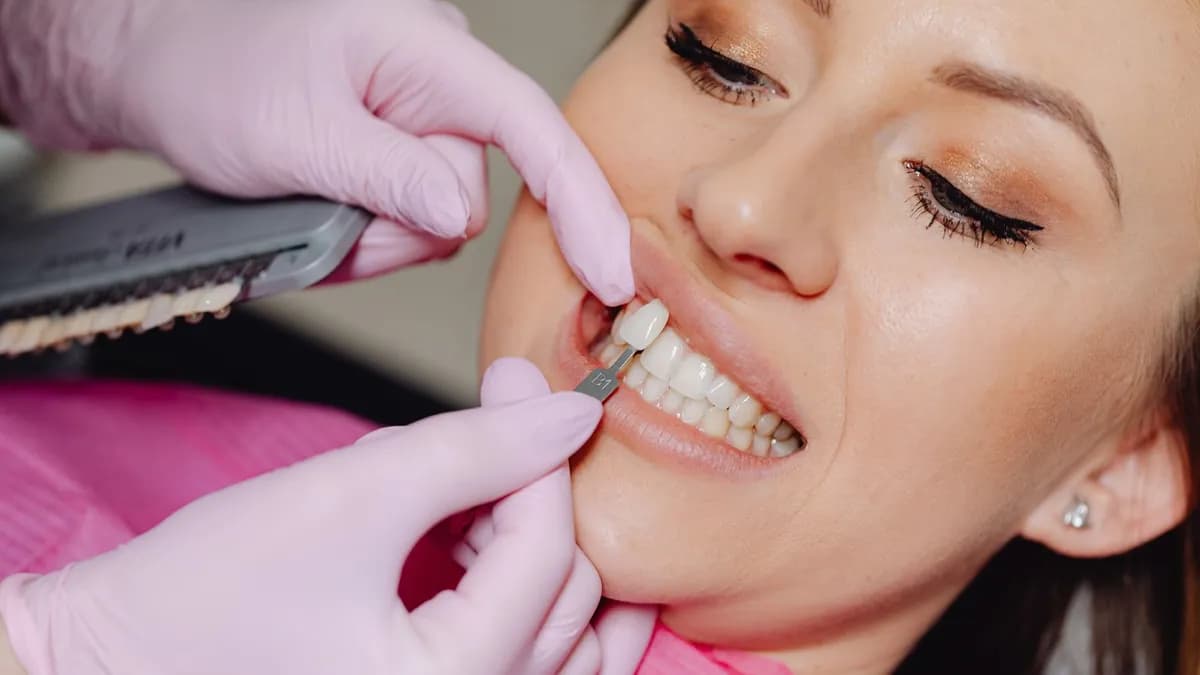
The result depends on the dentist, not the country. Choose a named, accredited clinician, ask for recent dated before-and-after cases, and insist on the most conservative preparation that achieves your goal. A digital smile preview lets you approve the look before anything is touched. Avoid any clinic that proposes crowning healthy teeth or filing them down heavily — that's the ‘Turkey teeth’ mistake, and it's a clinic problem, not a country one.
Frequently asked
Typically £180–320 per tooth for E-max or zirconia, versus £800–1,200 in the UK. The total depends on how many teeth you treat.
They can be excellent — the same brand materials and labs are used. Quality depends on the clinic and dentist, so choose a named, accredited one.
Done conservatively, only a thin layer of enamel. Minimal-prep veneers preserve most of the tooth. Avoid clinics that over-prepare healthy teeth.
With quality porcelain and good care, typically 10–15 years or more before individual veneers need replacing.
E-max is more translucent and ideal for front teeth; zirconia is stronger for higher-load cases. A good dentist chooses per tooth.
Get your veneer plan
Share a few photos and our dentist will suggest the material and the most conservative plan for your teeth — free, within 24 hours.
Message us on WhatsApp