
8/1/2026 · 7 min read
Dental Materials Matter: The Brands Behind a Long-Lasting Smile
Why the material behind your treatment matters as much as the dentist — and how to check what you're actually getting.
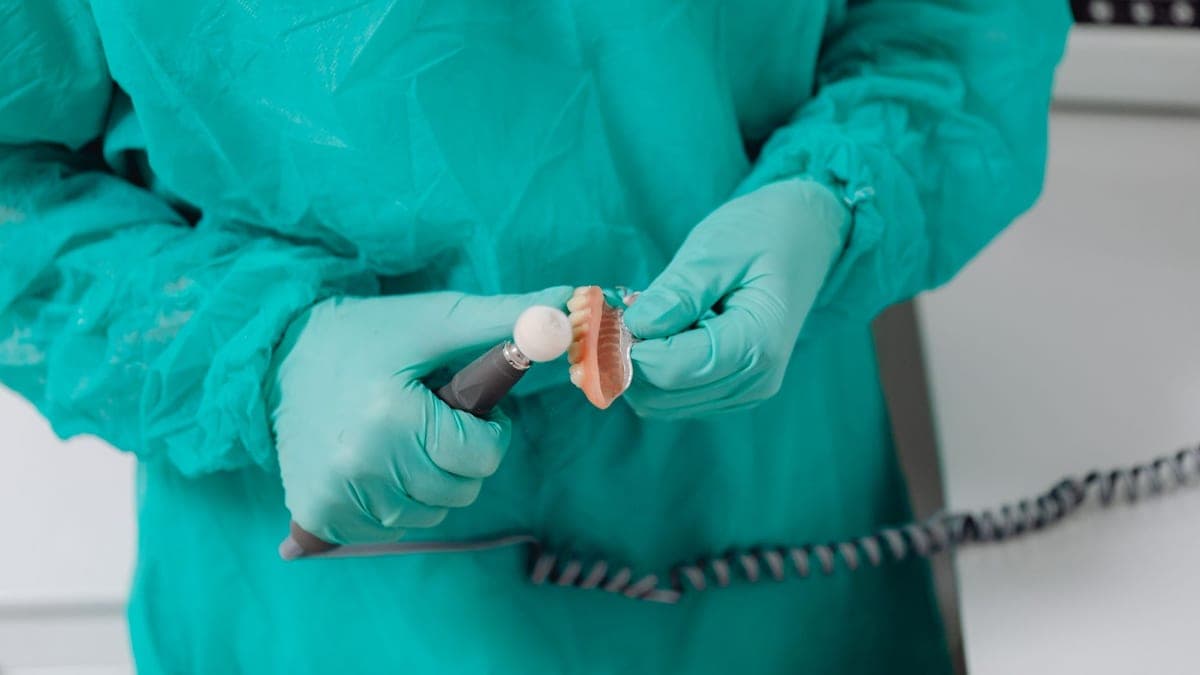
The material used for a veneer, crown or bridge affects how it looks and how long it lasts far more than the country where it's made — E-max (a strong, lifelike ceramic) and zirconia (an especially durable ceramic) are the two material families behind most long-lasting cosmetic and restorative work today. Quality doesn't come from a price tag alone; it comes from a clinic that can name the material, show its lab process, and back it with a written guarantee and real accreditation. Ask any clinic — anywhere — to confirm all three in writing before you commit.
Key takeaways
- E-max and zirconia are the two real material families behind most durable modern veneers, crowns and bridges.
- Material cost is similar worldwide — a lower price mainly reflects lower running costs, not a lower material grade, at an honest clinic.
- Real trust signals are accreditation (TEMOS, ISO, JCI, TÜV, Turkish Ministry of Health), a named dentist and a written guarantee.
- Ask any clinic to confirm the exact material, the lab that makes it, and the guarantee — in writing, before you agree to treatment.
What are E-max and zirconia, and why do they matter?
E-max is a lithium-disilicate glass-ceramic prized for looking closest to natural tooth enamel, which is why it's a common choice for visible front-tooth veneers and crowns where aesthetics matter most. Zirconia is a different ceramic family valued for its exceptional strength, making it a common choice for back teeth, bridges and full-arch restorations that need to withstand higher biting force. Neither material is inherently 'better' across the board — a good dentist chooses between them, or a hybrid approach, based on where in your mouth the restoration sits and how much load it needs to carry. What matters for you as a patient is that your dentist can name which one they're using and explain why, rather than leaving 'porcelain' undefined.
Does a lower price mean a lower-grade material?
Not automatically — at an honest clinic, the raw material cost for E-max or zirconia is broadly similar wherever the clinic operates, because it's sourced through the same category of dental laboratory supply chain worldwide. A lower quoted price mainly reflects lower staff costs, rent and overheads in that country, not a cheaper block of ceramic. The way to check, rather than assume, is to ask the clinic directly which material family they're proposing for your case and request that it's written into your treatment plan and quote — a specific, named answer is a good sign; a vague one is worth questioning, wherever the clinic is located.
How do accreditations connect to material and lab quality?
Accreditation doesn't test a single crown, but it does audit the systems around it — sterilisation, lab partnerships, staff qualifications and documented processes — which is why it's a meaningful proxy for consistency. Clinic Mery holds TEMOS, ISO, JCI, TÜV and Turkish Ministry of Health recognition, which cover different aspects of clinical and safety standards rather than one single 'stamp of approval.' None of these accreditations name a specific ceramic brand for you — what they confirm is that the clinic operates under audited, documented standards rather than informal ones. Combined with a named dentist and a material specified in writing, accreditation is one part of a fuller trust picture, not a replacement for asking direct questions.
What should you actually ask before agreeing to treatment?
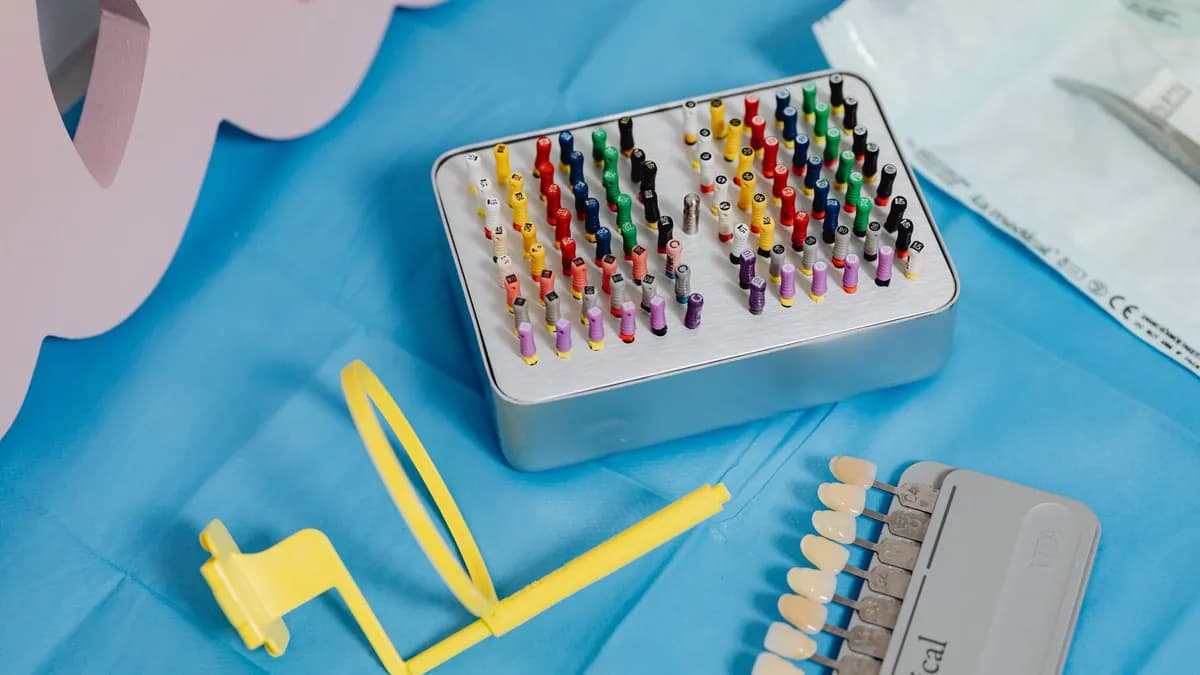
Ask which specific material family is proposed for each tooth — E-max, zirconia, or a combination — and request it in writing on your treatment plan, not just mentioned verbally. Ask which lab manufactures the restoration and whether that's an in-house or partner laboratory, since consistent quality usually comes from a lab the clinic works with regularly rather than the cheapest available option. Ask what the written guarantee covers and for how long, and what happens if a crown or veneer needs adjustment after you've returned home. A clinic confident in its materials and process will answer all three clearly and put the answers in writing without hesitation.
Frequently asked
Generally yes in raw strength, which is why zirconia is often preferred for back teeth and bridges, while E-max's translucency is often preferred for visible front teeth. Many treatment plans use both, matched to the location in your mouth.
Yes, and you should — a reputable dentist will name the material family in your written treatment plan rather than leaving it as a general term like 'porcelain.'
Not necessarily — price differences are more often driven by labour and overhead costs than the material itself. The way to verify this for any specific clinic is to ask them to name the material and lab in writing, rather than assuming from price alone.
These bodies audit clinical processes, safety standards, staff qualifications and documentation systems rather than certifying one individual treatment. They're a meaningful signal of consistent standards across a clinic's operations.
With good daily care, both are typically expected to last 10–15 years or more before they may need replacing, similar to other quality ceramic restorations.
Get your material and price in writing
Share a few photos and we'll confirm the exact material, the guarantee and the price for your case — free, in writing, within 24 hours.
Message us on WhatsApp