7/22/2026 · 7 min read
From Dentures to Fixed Teeth: Your All-on-X Options Explained
Why dentures loosen over time, and how All-on-4 or All-on-6 can turn them into fixed, implant-supported teeth.
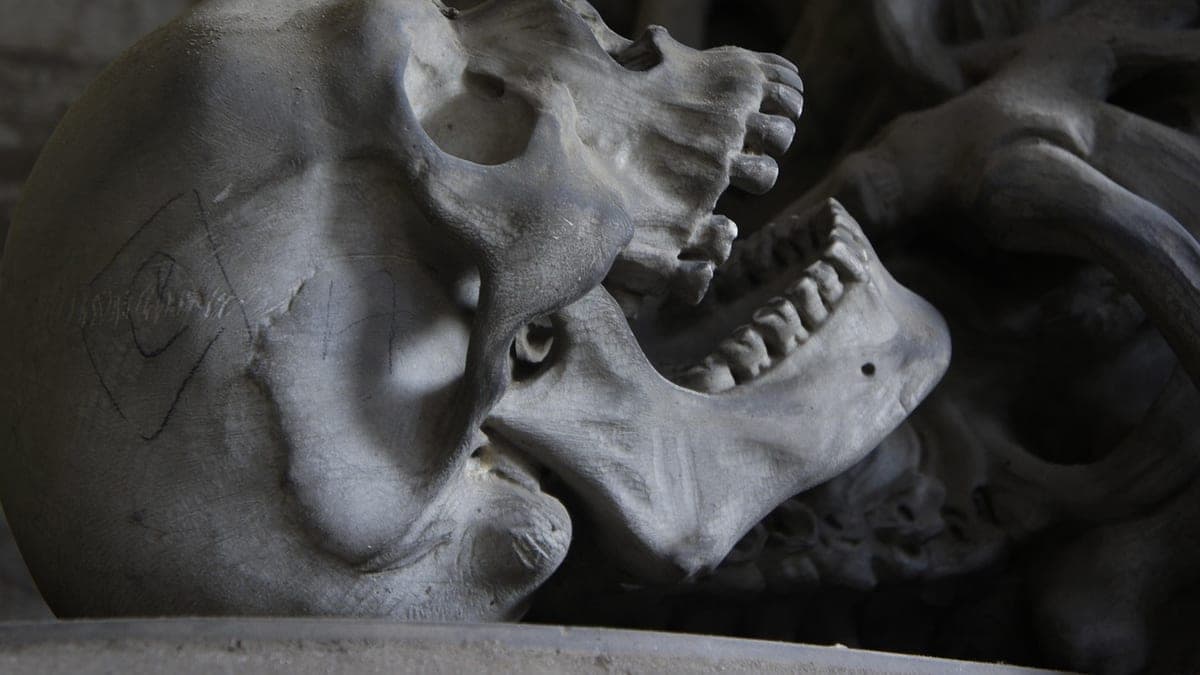
Dentures rest on the gum, and the jawbone underneath naturally shrinks over years without a tooth root to stimulate it — which is why a well-fitting denture often loosens over time. All-on-4 or All-on-6 replace that denture with a fixed bridge anchored to implants, so it no longer moves, clicks or needs adhesive. Switching usually means a CT scan, sometimes a bone graft, and osseointegration (~3–6 months) before the final fixed teeth — but many patients get fixed temporary teeth on day one.
Key takeaways
- Long-term denture wear causes the jawbone underneath to gradually shrink, which is why dentures loosen over the years.
- All-on-4 or All-on-6 replace a removable denture with a fixed bridge anchored to implants — no more slipping or adhesive.
- Many patients get fixed temporary teeth the same day as implant surgery, while the final bridge waits for healing.
- Switching starts with a CT scan; a bone graft is sometimes needed after years of bone loss.
Why do dentures stop fitting well over time?
A natural tooth root constantly signals the jawbone underneath to stay strong; once teeth are gone, that signal disappears and the bone gradually resorbs, especially in the years after tooth loss. Because a denture only rests on top of the gum rather than replacing the root, it can't stop this process — which is why a denture that fit well at first often becomes loose, requires more adhesive, or starts rubbing sore spots as the years go on. This is a normal, well-documented part of ageing without tooth roots, not a sign you're doing anything wrong. Implants are the only replacement option that stimulates the bone in a similar way to a natural root, which is why they typically stop this ongoing shrinkage where they're placed.
It's the bone, not the fit
Jawbone naturally shrinks once teeth are gone because nothing is stimulating it — that's why dentures loosen over time, however well they were made originally. Implants are the only replacement that addresses this directly.
What actually changes when you switch to fixed implant teeth?
Moving from a removable denture to an All-on-4 or All-on-6 fixed bridge changes daily life more than most patients expect. The new teeth are anchored to implants rather than resting on the gum, so they don't move when you eat, laugh or speak, and there's no adhesive, no soaking overnight, and no risk of a denture slipping in public. Chewing force improves substantially too, since implants transmit bite force to the bone far more effectively than a denture resting on soft tissue — many patients find foods they'd avoided for years become comfortable again. The trade-off is that fixed teeth involve implant surgery and a healing period, rather than simply being fitted and adjusted like a denture.
Fixed implant-supported teeth
- Anchored to implants — doesn't move or click
- No adhesive, no soaking overnight
- Bite force close to natural teeth
- Helps slow further bone loss
Removable denture
- Rests on the gum — can loosen over time
- Needs adhesive as fit changes
- Weaker bite force, some foods harder to manage
- Doesn't stop ongoing bone loss
What does the switching process actually involve?
The process starts the same way as any implant assessment: a free review of your photos or X-ray, then a 3D CT scan on arrival to measure exactly how much bone remains under your current denture. If years of bone loss mean there isn't quite enough to place implants safely, a bone graft is planned first — this is common for long-term denture wearers and is factored into your timeline, not a surprise added later. Once your bone is confirmed suitable, All-on-4 or All-on-6 implants are placed under local anaesthetic, and a fixed temporary bridge is usually fitted the same day where implants are stable enough, so you're not left wearing your old denture during healing. The final custom bridge follows on a second, shorter trip once osseointegration is complete.
What does it cost compared to a new denture?
A conventional denture is cheaper upfront than implant-supported fixed teeth, but it needs periodic relining or remaking as your bone continues to change, and it never delivers the same stability. All-on-4 in Turkey typically costs £3,000–4,500 per arch, which is a larger one-time investment than a denture but is designed to be a long-term, fixed solution rather than something you keep adjusting. If a bone graft is needed first, that's usually quoted separately based on your CT scan. Rather than comparing sticker prices alone, ask for a written quote that covers your specific case — implants, any grafting, and the bridge — so you can weigh the real total against a lifetime of denture adjustments.
Frequently asked
Most can, but it depends on how much jawbone remains after your years of denture wear — confirmed by a CT scan. Where bone is too thin, a graft usually makes it possible.
Usually not for long. Where implants are stable enough, a fixed temporary bridge is fitted the same day as surgery, so you're not relying on your old denture during the healing period.
Surgery and fixed temporaries are usually done on one trip of about a week. The final bridge is fitted on a second, shorter trip after osseointegration, typically 3–6 months later.
Implants stimulate the bone around them in a similar way to natural roots, which typically maintains bone at the implant sites — unlike a denture, which does nothing to slow the process.
Not usually. Many long-term denture wearers switch successfully, sometimes with a bone graft first. A CT scan will show exactly where you stand.
See your fixed-teeth options
Share your X-ray or photos and our dentist will assess your bone and explain your realistic All-on-4 or All-on-6 options — free, within 24 hours.
Message us on WhatsApp