
7/30/2026 · 6 min read
Fixing a Gummy Smile: Causes, Treatments and Results
A gummy smile has several different causes, and the right fix — Botox, gum contouring or orthodontics — depends on which one applies to you.
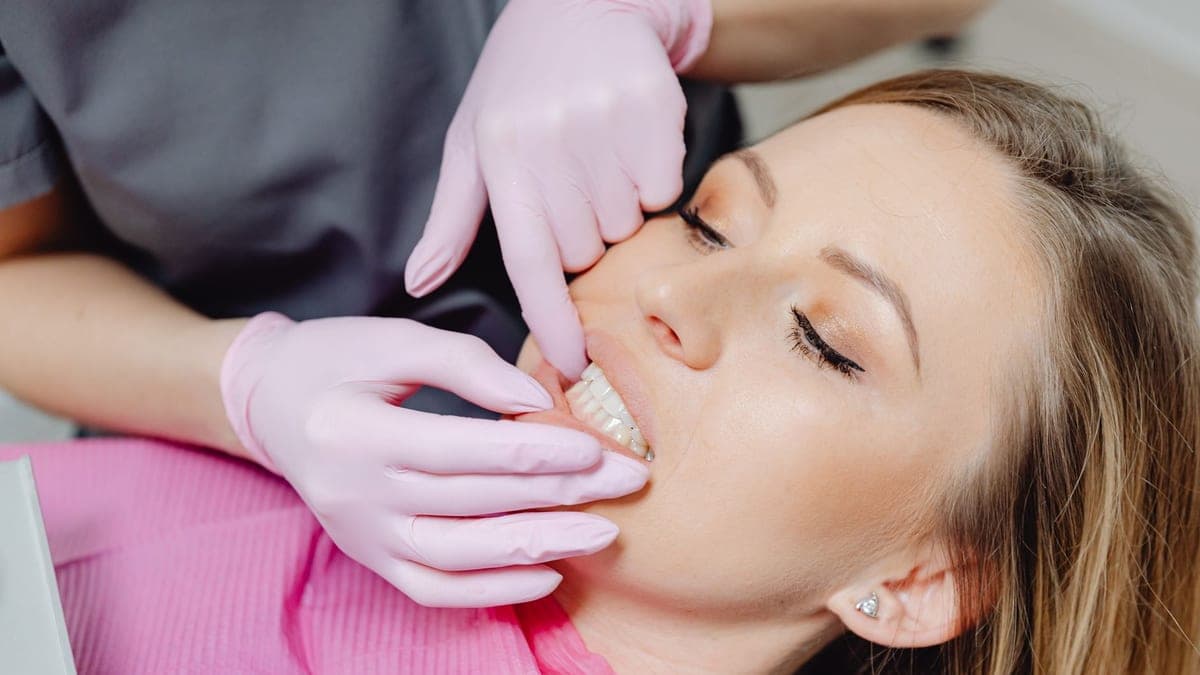
A gummy smile — where more gum than feels proportionate shows above your top teeth when you smile — usually comes from one of a few causes: an overactive upper lip, teeth that look short because the gum never fully receded, excess gum tissue, or the position of the jaw itself. Treatment is matched to the cause: Botox relaxes an overactive lip for a few months at a time, gum contouring permanently reshapes the gum line in one visit, often combined with veneers, and orthodontics or jaw surgery address bite or skeletal causes in more complex cases. The right fix depends on an accurate diagnosis, not a one-size-fits-all procedure.
Key takeaways
- A gummy smile has several different causes — lip movement, tooth eruption, excess gum tissue, or jaw position — and treatment depends on which one applies.
- Botox is a temporary, non-surgical option that relaxes an overactive upper lip for a few months at a time.
- Gum contouring reshapes the gum line permanently in one visit, often combined with veneers or whitening for a complete smile design.
- The least invasive treatment that fixes the actual cause is the right one — not the most dramatic-sounding procedure.
What counts as a gummy smile?
A gummy smile is simply when a noticeably wide band of gum tissue shows above your upper teeth every time you smile — more than feels proportionate to you or is typical for your face. It's a spectrum rather than a strict medical threshold, and plenty of people with a bit of extra gum showing have no issue with it at all; it only matters if it bothers you. What's useful to understand upfront is that a gummy smile isn't one single condition — it's an appearance that can come from several different underlying causes, which is exactly why the right treatment varies so much from person to person.
What causes a gummy smile?
There are four common underlying causes, and they're mechanically quite different from one another. An overactive or hypermobile upper lip simply lifts higher than average when you smile, showing more gum regardless of your teeth. Altered passive eruption means the gum tissue never fully receded off the tooth crowns as they came in, so the teeth look shorter and stubbier than they actually are underneath. Excess or overgrown gum tissue can cover more of the tooth surface than usual, sometimes linked to certain medications or hormonal changes. And in some cases the upper jaw itself grows further down or more vertically than average, a skeletal cause that's more complex to treat than the other three.
| Cause | What's happening | Typical treatment |
|---|---|---|
| Overactive upper lip | Lip lifts higher than average when smiling | Botox (temporary) or lip repositioning surgery |
| Teeth look short (altered passive eruption) | Gum tissue never fully receded off the tooth crowns | Gum contouring / crown lengthening |
| Excess or overgrown gum tissue | More gum covers the tooth surface than usual | Gum contouring, sometimes with a laser |
| Jaw position (skeletal) | The upper jaw sits lower or grows more vertically | Orthodontics or, in complex cases, jaw surgery |
How is each type of gummy smile actually treated?
For an overactive lip, Botox is injected into the muscle that lifts it, taking a few days to take full effect, lasting a few months at a time, and needing no downtime or surgery — it's a good first step precisely because it's reversible and low-risk. For excess gum tissue or teeth that look short, gum contouring reshapes the gum line using a scalpel or laser to expose more of the natural tooth crown, and the result is permanent once healed. This is frequently planned alongside veneers or whitening rather than as a stand-alone procedure, since reshaping the gum line changes the proportions that a smile design is built around. Healing after gum contouring typically takes one to two weeks, with mild soreness managed by regular pain relief.
Often part of a bigger smile plan
Gum contouring is frequently combined with veneers or whitening in the same visit, so your gum line, tooth shape and shade are designed together rather than fixed one at a time.
When should you see a dentist about a gummy smile?
It's worth an assessment any time a gummy smile is affecting your confidence, since a proper exam is the only way to identify which of the four causes applies to you — lip movement, tooth eruption, gum tissue, or jaw position — and each points to a genuinely different treatment. It's also worth checking with a dentist if the gummy appearance seems to be getting more pronounced over time, since gum overgrowth linked to certain medications or gum inflammation can look similar to a purely cosmetic gummy smile but needs different management. A named dentist should examine your lip movement, gum tissue and bite directly, ideally with photos and a simple visual exam, before recommending Botox, contouring, or a referral for orthodontic assessment.
Frequently asked
No — it's a temporary, non-surgical option that typically lasts a few months before the effect wears off and the lip returns to its usual movement. Many patients repeat it periodically rather than moving to a permanent treatment.
It's done under local anaesthetic, so the procedure itself isn't painful. Most patients describe mild soreness during the healing period, which is generally manageable with regular over-the-counter pain relief.
When the cause was excess gum tissue, contouring is generally a stable, permanent reshaping. If the underlying cause was actually lip movement or jaw position, contouring alone won't change that specific driver, which is why an accurate diagnosis beforehand matters.
Usually it's simply how your smile is proportioned, but sometimes it's linked to gum inflammation or a side effect of certain medications. It's worth a dental check, especially if it's new or has changed recently.
Yes — this is a common combination, since gum contouring and veneers are often planned together in one visit so the gum line, tooth shape and shade are designed as a complete smile rather than adjusted separately.
Get your gummy smile assessment
Share a photo of your smile and our dentist will identify the cause and recommend the right treatment, with an exact price — free, within 24 hours.
Message us on WhatsApp