
7/20/2026 · 6 min read
Single Tooth Implant vs Bridge vs Denture: Which Is Best?
Implant, bridge or denture for a missing tooth? A clear comparison of durability, tooth preservation, cost and comfort.
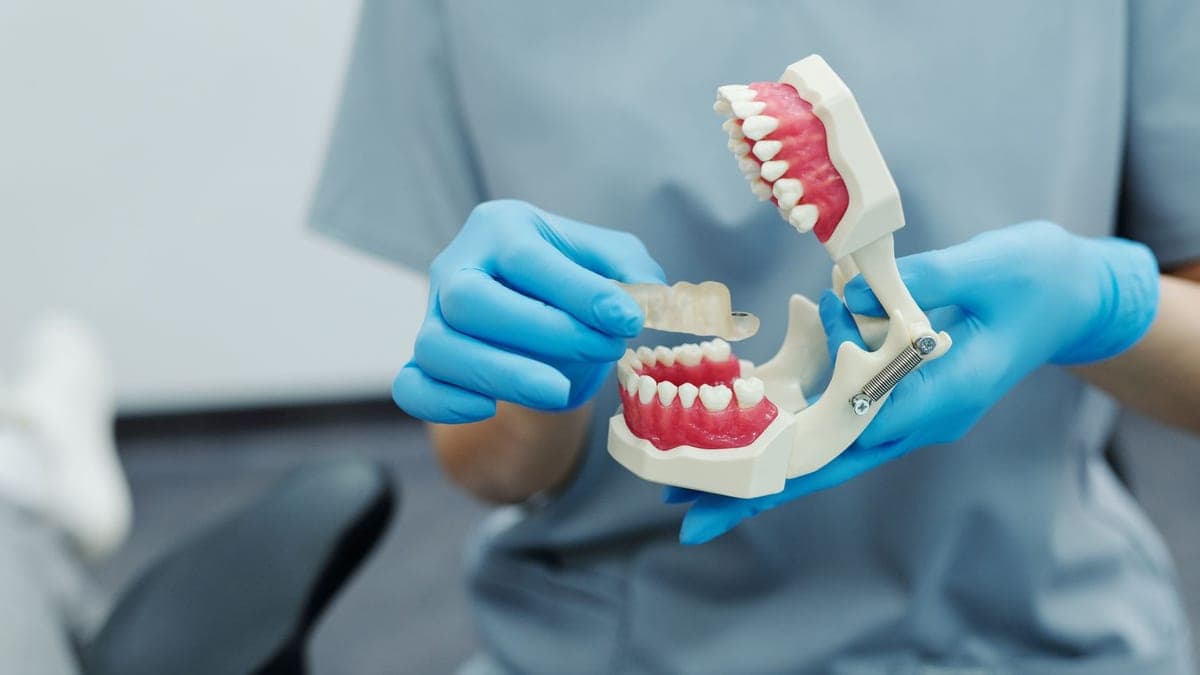
For a single missing tooth, an implant is usually the best long-term option — it replaces the root, preserves the neighbouring teeth and can last decades. A bridge is quicker but relies on filing down healthy adjacent teeth. A denture is the cheapest and least invasive but the least stable. The right choice depends on your priorities, budget and bone.
Key takeaways
- Implant: preserves neighbours, replaces the root, lasts longest.
- Bridge: fixed and quicker, but files down healthy adjacent teeth.
- Denture: cheapest and non-surgical, but least stable.
- For most single-tooth cases, an implant is the best long-term value.
Implant vs bridge vs denture: the key differences
All three replace a missing tooth, but they work very differently. An implant is a titanium root topped with a crown — it stands alone and doesn't touch the neighbouring teeth. A bridge anchors a false tooth to the two adjacent teeth, which must be filed down to hold it. A denture is a removable appliance. The biggest practical difference is what each does to your other teeth and how stable and durable the result is.
| Factor | Implant | Bridge | Denture |
|---|---|---|---|
| Neighbouring teeth | Untouched | Filed down | Untouched |
| Stability | Highest (fixed) | Fixed | Removable |
| Lifespan | 20+ years | 10–15 years | 5–8 years |
| Cost | Higher | Medium | Lowest |
| Surgery | Yes | No | No |
When is an implant the best choice?
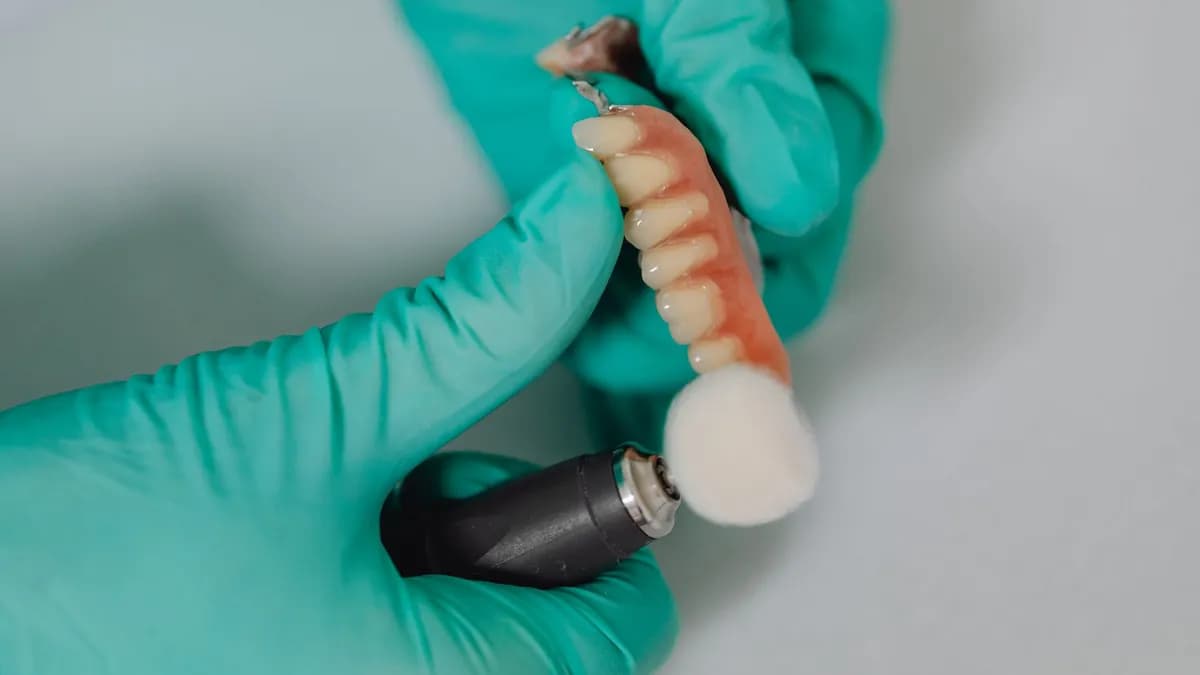
For most people with a single missing tooth and adequate bone, an implant is the best long-term option. It replaces the tooth root, which keeps the jawbone stimulated and healthy, and crucially it leaves the neighbouring teeth completely untouched. It's the most expensive up front and requires minor surgery, but over 20+ years it's often the best value — a standalone, natural-feeling tooth that doesn't compromise the ones next to it.
When might a bridge or denture make sense?
A bridge can be sensible when the adjacent teeth already need crowns anyway, or when surgery isn't an option and you want a fixed result quickly. A denture suits those on a tight budget, needing a non-surgical solution, or replacing several teeth at once. Both are valid — the trade-off is that a bridge sacrifices healthy neighbouring teeth, and a denture is less stable and shorter-lived than an implant.
How do you choose?
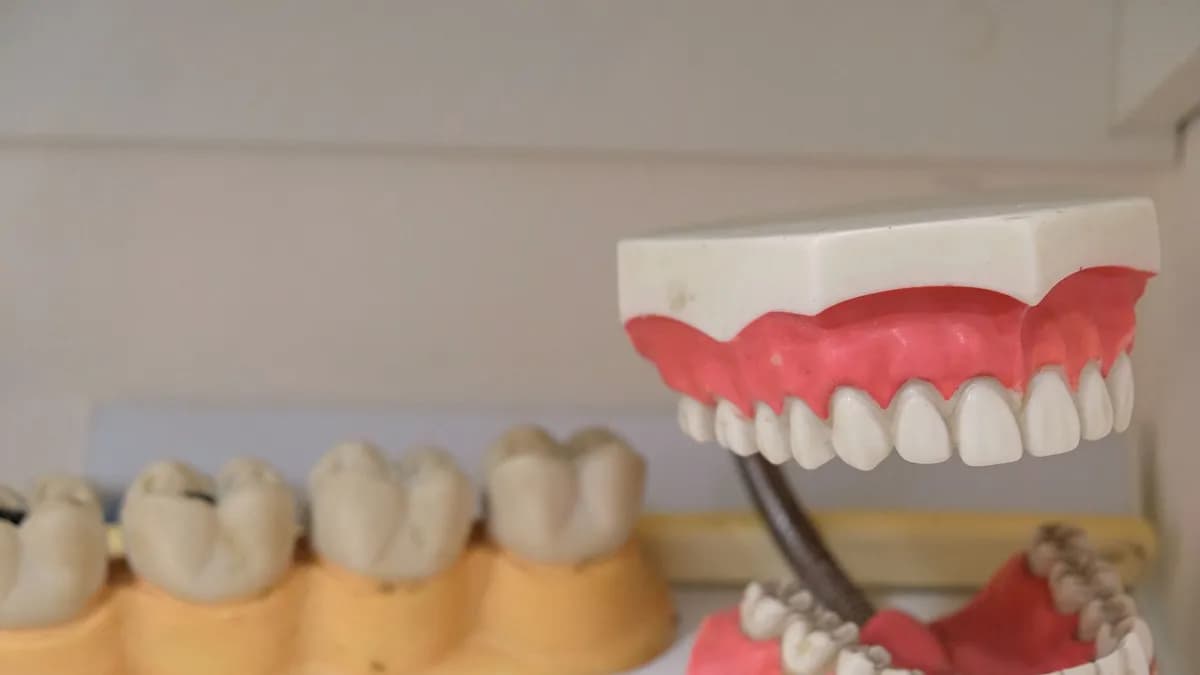
Weigh three things: how much you value preserving your other teeth, your budget, and whether you're a candidate for surgery (which a CT scan confirms). For a single tooth with healthy neighbours and enough bone, an implant is usually the standout. Where those conditions don't hold, a bridge or denture may be the pragmatic choice. A good dentist will lay out all three honestly for your specific case.
Frequently asked
For a single tooth, usually yes — it preserves the neighbouring teeth and lasts longer. A bridge requires filing down the adjacent healthy teeth.
An implant (20+ years), then a bridge (10–15 years), then a denture (5–8 years) with good care.
A denture is the cheapest up front, then a bridge, then an implant. Over 20 years, an implant often gives the best value.
A traditional bridge requires filing down the two adjacent teeth to anchor it, so it does involve altering healthy teeth.
Often yes — a bone graft or sinus lift can rebuild enough bone. A CT scan confirms whether you're a candidate.
Find your best option
Share your details and our dentist will compare implant, bridge and denture for your case, with a clear recommendation — free, within 24 hours.
Message us on WhatsApp