7/28/2026 · 7 min read
Missing Teeth? Your 5 Best Replacement Options Compared
A clear, honest comparison of the five main ways to replace missing teeth — cost, durability and who each option suits.
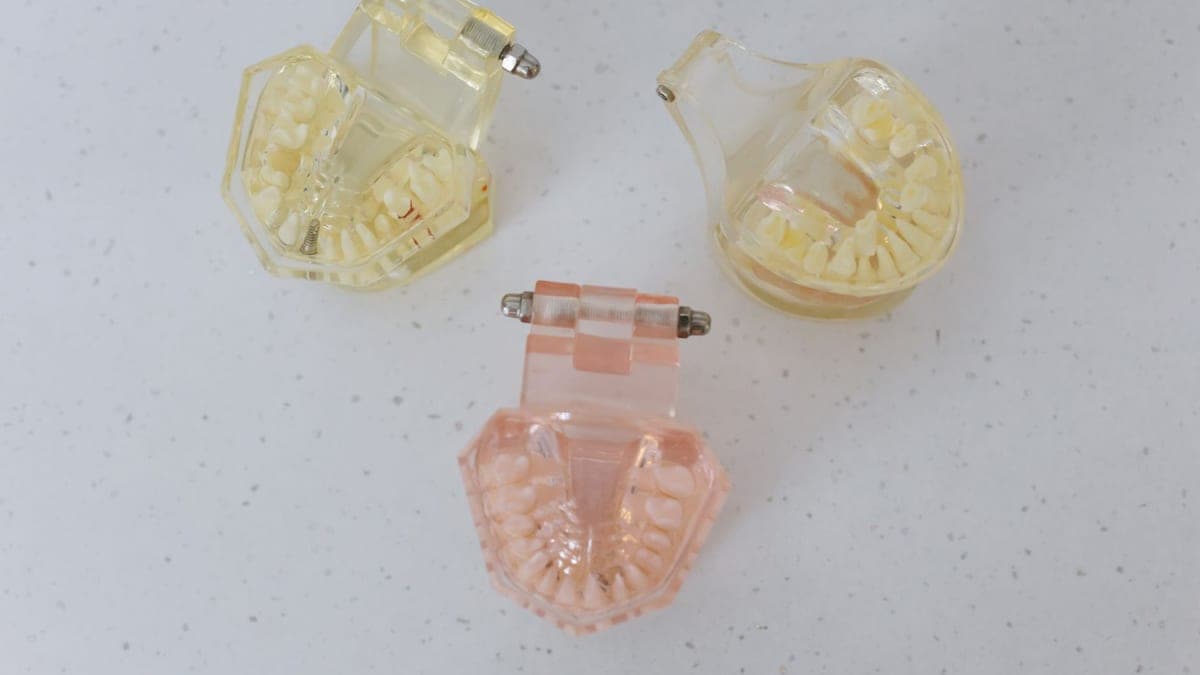
Missing teeth can be replaced five main ways — a single implant, a bridge, a partial or full denture, or a fixed All-on-4/6 arch — and the right one depends on how many teeth you've lost, your jawbone, and your budget. In Turkey a single implant typically costs £400–700 and a full All-on-4 arch £3,000–4,500, both up to 70% less than the UK, Germany or Spain. The most conservative option that restores your bite properly is usually the right one — not always the most expensive.
Key takeaways
- Missing teeth can be replaced five main ways — implant, bridge, partial denture, full denture, or a fixed All-on-4/6 arch.
- A single implant typically costs £400–700 in Turkey; a full All-on-4 arch costs £3,000–4,500 — both up to 70% less than Western Europe.
- Leaving a gap unfilled isn't neutral — neighbouring teeth can drift and the jawbone can shrink where a root used to be.
- The right option depends on a dental exam and X-ray, not a fixed rule — get a personalised recommendation before deciding.
What are your options for replacing missing teeth?
There are five main ways to replace one or more missing teeth: a single dental implant, a fixed bridge, a removable partial denture, a full denture, or — when most or all of the teeth in a jaw are gone — a fixed All-on-4 or All-on-6 arch. Each works differently: an implant replaces the root as well as the crown, a bridge uses the neighbouring teeth as anchors, and dentures sit on the gum and are removable. Which one fits you depends mainly on how many teeth are missing, how much jawbone you have, and whether you want a fixed or removable result. None of these is universally ‘best' — the right one is the one that matches your case.
| Option | Best for | Typical cost in Turkey | Main trade-off |
|---|---|---|---|
| Single dental implant | One missing tooth | £400–700 per tooth | Preserves neighbouring teeth, but needs enough jawbone |
| Dental bridge | 1–3 teeth in a row | Lower than implants — ask for a quote | The two anchor teeth are reshaped to hold it |
| All-on-4 / All-on-6 | A full arch, most or all teeth missing | £3,000–4,500 per arch (All-on-4) | Not designed for just one or two isolated gaps |
| Partial denture (removable) | Several missing teeth, budget-conscious | Lower cost — ask for a quote | Removable, less stable, needs adjusting over time |
| Full denture | An entire arch missing | Lowest-cost option — ask for a quote | Can feel less secure than a fixed or implant option |
Which option costs the least — and which lasts the longest?
Cost and longevity usually move in opposite directions. Dentures are the least expensive starting point but need relining or replacing over the years and can feel less stable, especially lower dentures. A bridge sits in the middle: it looks and functions close to a natural tooth for 10–15 years or more, but the two teeth either side are reshaped to support it, so healthy tooth structure is used up even where nothing was wrong. An implant typically has the highest upfront cost per tooth — £400–700 in Turkey — but the titanium root can last decades, and it's the only option that doesn't rely on the teeth next to it. Over a long enough timeframe, the ‘cheaper' option isn't always the cheaper one.
What happens if you leave a missing tooth untreated?
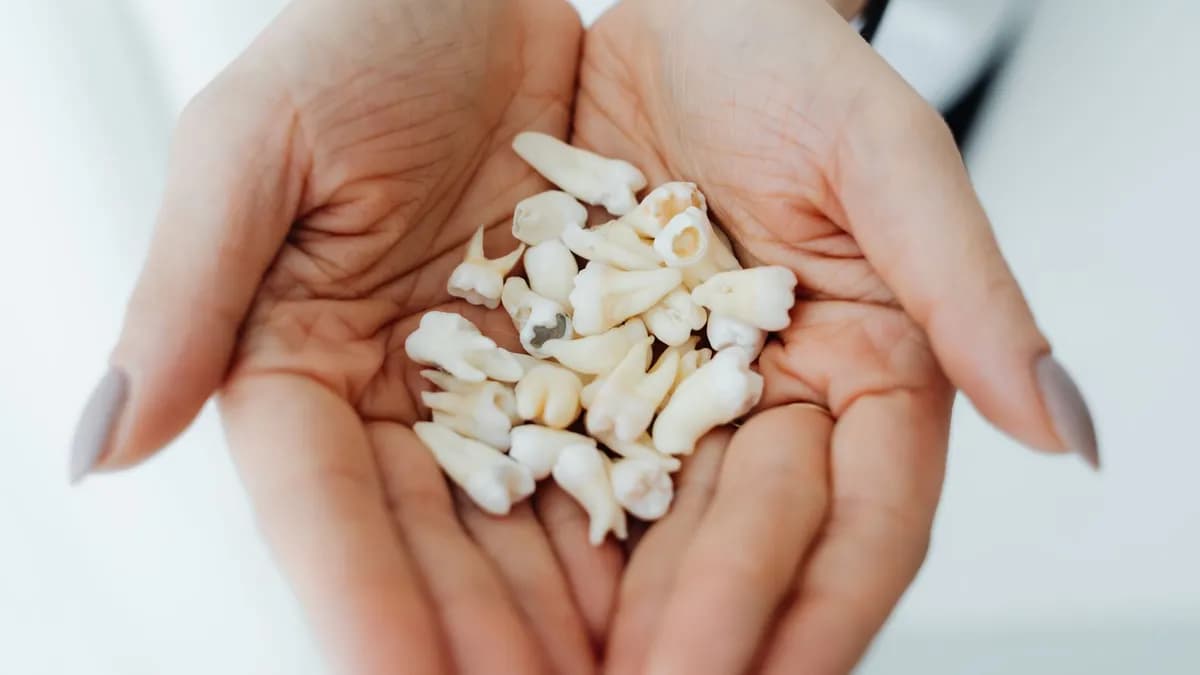
A missing tooth rarely stays a stable, isolated gap. Neighbouring teeth can gradually tilt or drift into the space, the opposing tooth in the other jaw can over-erupt looking for something to bite against, and your bite can shift in ways that stress your jaw joint over time. Underneath the gum, the jawbone that used to support the tooth root starts to lose density once it's no longer being used — this is a normal biological process, not a scare tactic, and it's the reason a bone graft is sometimes needed for an implant placed years after a tooth was lost. None of this happens overnight, but it's why ‘I'll deal with it later' usually makes the eventual treatment more involved, not less.
Don't wait too long to decide
Bone loss and tooth drift both accelerate the longer a gap is left untreated. Getting an assessment early keeps more options open — including the more conservative ones.

How do you choose the right option for your case?
Start with a proper look at your mouth: a dental exam and X-ray (or a CT scan if implants are being considered) will show your bone volume, the health of your neighbouring teeth, and your bite. From there, a dentist should walk you through which options genuinely apply to your case and why, including the trade-offs — not just recommend the most expensive one. If you're in pain, have swelling, or a tooth was just extracted, see a dentist promptly to rule out infection before any replacement planning starts. For a straightforward missing tooth with healthy bone, you can usually get a free assessment and a personalised recommendation from photos or an X-ray before you ever travel.
Frequently asked
Yes — a dental implant is the only option that does this, since it stands on its own titanium root rather than relying on the neighbouring teeth. A bridge, by comparison, needs those teeth reshaped as anchors.
There's no fixed number, but once most or all of the teeth in a jaw are missing, a fixed All-on-4 or All-on-6 arch is usually more efficient — surgically and financially — than placing many separate implants one by one.
It's usually a lower-cost, non-surgical starting point rather than a permanent one. It can need adjusting or remaking over time and isn't as stable as a fixed bridge or implant, but it's a reasonable option for some patients and budgets.
Only if your CT scan shows you don't have enough bone volume at the implant site — this is common after a tooth has been missing for years, but not universal. Your scan will show this clearly before any surgery is planned.
You can usually start the assessment straight away. In some suitable cases an implant can be placed at the same visit as an extraction; in others, the site needs to heal first. A dentist can only confirm which applies after examining your specific tooth and bone.
Get your personalised options plan
Share a photo or X-ray of the missing tooth or teeth and our dentist will recommend the right option and an exact price — free, within 24 hours.
Message us on WhatsApp