
7/29/2026 · 7 min read
Straighten Crooked Teeth Without Braces: Is It Possible with Veneers?
Veneers can make mildly crooked teeth look straight — but they're not orthodontics. Here's the honest difference, and when braces still win.

Veneers can make mildly crooked teeth look straight by reshaping the front surface of each tooth — but they don't move teeth, they cover them, so the underlying position and bite stay exactly the same. For genuine misalignment — rotated, overlapping or bite-affecting crookedness — braces or clear aligners are the healthier long-term fix because they actually straighten the teeth. Which one is right depends on how crooked your teeth are and why, and a dentist should tell you honestly, not just offer the faster option.
Key takeaways
- Veneers mask mild crookedness by reshaping the visible surface — they do not move teeth the way orthodontics does.
- For real misalignment — rotation, overlap, or a bite problem — braces or clear aligners are the healthier, more appropriate fix.
- Veneers remove a thin layer of enamel and are irreversible, so that trade-off should suit the case, not just the timeline.
- A short course of clear aligners before veneers can sometimes give a more conservative, longer-lasting result than veneers alone.
Can veneers really straighten crooked teeth?
Yes, but only in a specific sense — veneers are thin porcelain shells bonded to the visible front of each tooth, and by carefully shaping those shells, a dentist can make teeth that are only slightly rotated or unevenly edged look aligned. This works well for mild cosmetic irregularities: a tooth that's turned a few degrees, edges that don't line up, or one tooth that sits marginally forward or back from its neighbours. What veneers can't do is move a tooth's actual position in the jawbone — the root stays exactly where it was, which is the key distinction patients need to understand before choosing this route over orthodontics.
What's the real difference between straightening teeth and masking them?
Orthodontics — braces or clear aligners — applies gentle, sustained pressure that physically moves tooth roots through the jawbone into a new position over weeks and months, which is a biological, mechanical process. Veneers do something entirely different: they change the visible shape, length and shade of the crown you see, while the root and its position inside the bone stay exactly as they were. That means veneers can make teeth look straighter from the outside without correcting how the upper and lower teeth actually meet, which matters if your crookedness is also affecting your bite. Being honest about this distinction — straightening versus masking — is what separates a good recommendation from an oversell.
Veneers often fit when
- The crookedness is mild — slight rotation or uneven edges only
- Your bite (how the top and bottom teeth meet) is healthy
- You also want to improve shade, shape or chips at the same time
- You want a faster cosmetic result and understand the trade-offs
Braces or clear aligners are the better choice when
- Teeth are significantly rotated, overlapped or tipped
- Your bite doesn't close evenly
- Moving the teeth would reduce strain on your jaw
- You want the healthiest long-term result, not just the fastest-looking one
Can you combine clear aligners with veneers?
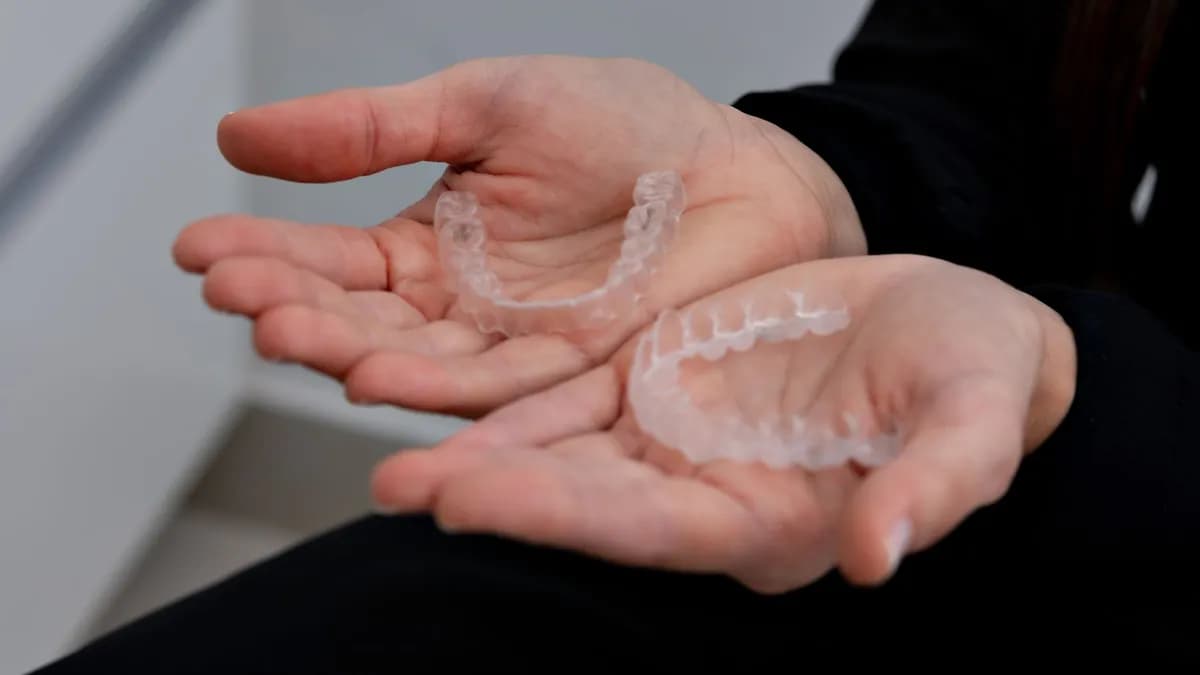
Yes, and for borderline cases this is often the more conservative route: a short course of clear aligners — sometimes just a few months — can shift teeth closer to their ideal position first, so that far less enamel needs to be removed when veneers are placed afterwards. This ‘align first' approach usually gives a more natural, longer-lasting result than trying to force a bigger correction out of veneers alone, and it also protects more of your natural tooth structure. A dentist who takes your long-term dental health seriously will raise this option with you rather than defaulting straight to veneers because it's quicker to sell.
Veneers are not orthodontics
If a dentist recommends veneers for teeth that are significantly out of position, ask whether short-term orthodontics first would give a healthier, more conservative result. The most conservative plan that achieves your goal is always the right one.
When should you see a dentist before deciding between the two?
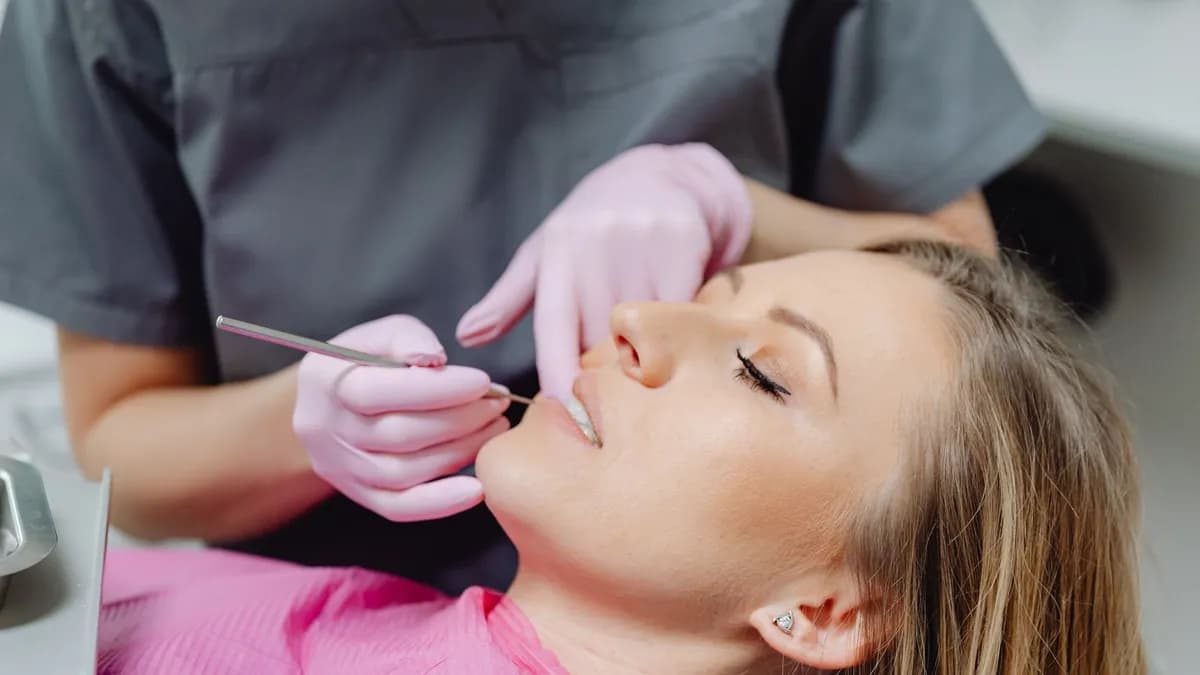
Book a proper exam — not just a cosmetic consultation — if you notice jaw clicking or pain, uneven wear on your teeth, or gum recession around the more prominent teeth, since these can point to a bite issue that veneers alone won't resolve. A dentist should take X-rays, look at how your bite closes, and assess your gum health before recommending either path, and a named, accredited dentist should personally review your case rather than a sales consultant deciding for you. For genuinely mild cases with a healthy bite, veneers remain a reasonable, well-established choice — the goal is simply making sure that's the case before you commit to an irreversible treatment.
Frequently asked
Veneers remove a thin layer of enamel regardless of tooth position, and on a rotated tooth slightly more reduction may be needed on the more prominent side to create an even, flush surface. This is a normal part of veneer preparation, not extra damage caused by the crookedness itself.
Treatment time depends entirely on how much movement is needed, so a dentist can only give you a realistic estimate after assessing your teeth and bite. Mild cases are typically quicker than significant rotations or bite corrections.
No — veneers only reshape the visible surface of a tooth and cannot correct how the upper and lower jaws or teeth align. Bite problems like a crossbite or overbite need orthodontic or, in some cases, restorative bite treatment instead.
Not with the right planning. A natural result comes from choosing a shade and shape that suit your face and only correcting what genuinely needs correcting — the goal is your smile at its best, not a uniform, template look.
For genuinely mild misalignment with a healthy bite, yes — it's a reasonable, valid choice once you understand veneers won't move the teeth themselves. For significant misalignment, a responsible dentist should advise against it, since it would need heavier tooth reduction and still wouldn't fix the bite.
Get an honest recommendation
Share a photo of your smile and our dentist will tell you plainly whether veneers, aligners, or a combination fits your case, with a clear price — free, within 24 hours.
Message us on WhatsApp