
7/25/2026 · 6 min read
Teeth Whitening in Turkey: Options, Results and How Long It Lasts
What professional teeth whitening in Turkey really involves — the options, the realistic results, and what it can't do.
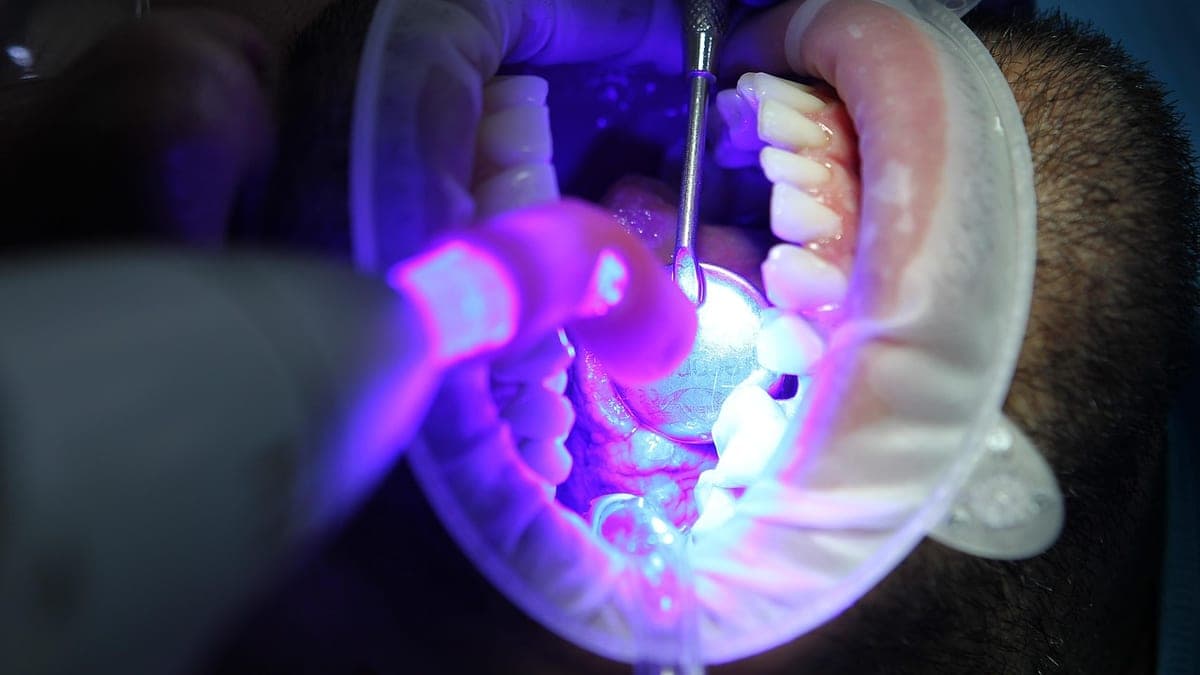
Professional teeth whitening in Turkey brightens your natural enamel through in-clinic treatment, take-home trays, or a combination of both — but it does not change the colour of existing veneers, crowns or fillings. Whitening isn't in our fixed price list because the cost depends on your starting shade and the method used, though it typically runs up to ~70% less than the UK, Germany or Spain. Results are real, not permanent, and an honest assessment matters far more than a promise of a single ‘whitest’ shade.
Key takeaways
- Professional whitening lifts stains from your natural tooth enamel — it does not change the shade of existing veneers, crowns or fillings.
- Two main options exist: in-clinic treatment (faster, supervised) and take-home trays (gradual, flexible) — often combined.
- Whitening isn't in our fixed price list, so we don't quote a number here — but it typically costs up to ~70% less than the UK, Germany or Spain.
- Results commonly last from several months to a couple of years depending on diet and habits like smoking or coffee, and can be topped up.
What does professional teeth whitening actually do?
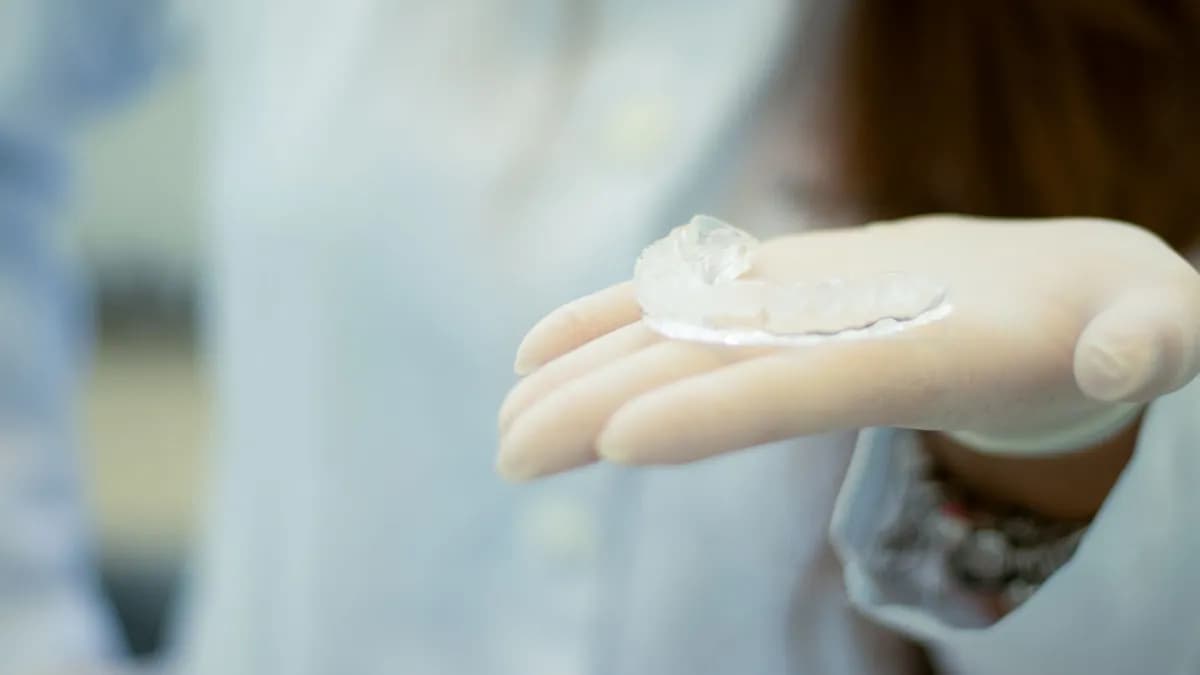
Professional whitening uses a peroxide-based gel, activated in-clinic or worn gradually in custom trays at home, to lift stains from within the tooth enamel and dentine rather than just polishing the surface. It works well on the yellow-brown staining that builds up from coffee, tea, red wine, smoking and simply getting older, and results are usually visible within days. It does not work on existing veneers, crowns, bridges or white fillings, because porcelain and composite don't respond to whitening gel the way natural enamel does — if those are already in your mouth, whitening only lightens the surrounding natural teeth. A dentist should check for cavities, gum disease or worn enamel before starting, since whitening isn't the right first step if there's untreated decay.
| Aspect | In-clinic whitening | Take-home trays |
|---|---|---|
| How it works | Stronger gel activated under a dental light in one visit | Lower-strength gel worn in custom trays over 1–2 weeks |
| Speed | Visible results the same day | Gradual results over days to weeks |
| Best for | A fast result before travelling home | Topping up or a gentler, gradual change |
| Supervision | Done in the clinic by the dental team | Custom trays fitted by the clinic, worn at home |
How much does teeth whitening cost in Turkey?
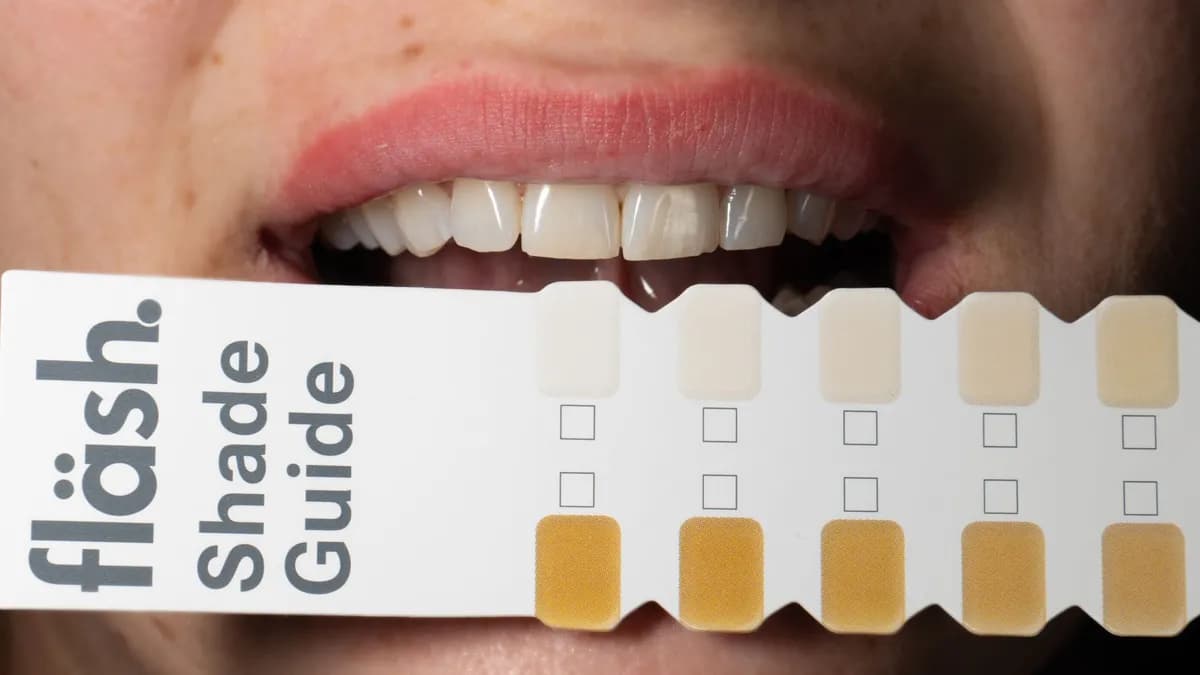
Teeth whitening isn't part of our fixed price list, because the true cost depends on your starting shade, how many sessions you need, and whether you combine in-clinic treatment with take-home trays. As a general guide it typically costs up to ~70% less than the same treatment in the UK, Germany or Spain, in line with the savings across our other treatments. Rather than publish a generic figure that may not match your case, send a photo of your smile on WhatsApp and we'll confirm an exact, written price before you book anything. If whitening is combined with veneers or crowns as part of a larger smile makeover, those items do have an established price range, which we can quote alongside it.
Why we don't list a fixed price here
Whitening cost depends on your starting shade, the method used and whether it's combined with other treatments — so a single number would be misleading. Send us a smile photo on WhatsApp and we'll reply with an exact, written quote, typically up to ~70% less than UK, German or Spanish prices.
Is teeth whitening the right treatment for your smile?
Whitening is the right choice when your natural teeth are healthy but discoloured from surface staining or general yellowing with age — it's a conservative, reversible first step that doesn't remove any tooth structure. It is not the right choice if you already have veneers or crowns you want to match, since whitening can't lighten them and may leave a visible difference in shade against newly whitened natural teeth. Some internal staining, such as that caused by certain childhood antibiotics or a knocked tooth, doesn't respond well to whitening either and may need veneers to properly conceal it. If your case is one of these, we'll say so honestly rather than sell you a treatment that won't give the result you're picturing.
Whitening is a good fit when
- Your natural teeth are healthy, without decay or gum disease
- Staining is from coffee, tea, wine, smoking or general ageing
- You want a conservative result without touching tooth structure
- You're not trying to match the colour of existing veneers or crowns
You may need veneers or crowns instead when
- You already have veneers, crowns or large fillings you want to match
- Staining is internal (e.g. from certain antibiotics) rather than surface-level
- Teeth are also chipped, worn or unevenly shaped, not just discoloured
- You want a permanent colour that diet and habits can't fade
How long do the results last, and how do you look after them?
How long whitening lasts varies a lot from person to person, but results commonly hold up well for several months to a couple of years before a top-up is worth considering. Coffee, tea, red wine, smoking and pigmented foods are the main things that bring staining back faster, so cutting back on them — or rinsing after — helps the result last longer. Keeping up regular brushing, flossing and a six-monthly check-up protects both the whitening result and your teeth generally, and a quick take-home top-up is usually enough to refresh the shade rather than repeating the full treatment. Whitening is not permanent by nature, and any clinic that promises a result that never fades isn't being fully honest with you.
Frequently asked
No. Whitening gel only works on natural tooth enamel — it has no effect on porcelain veneers, crowns, bridges or white fillings. If you have these and want a brighter, matching smile, veneers or crowns are the more appropriate treatment, not whitening.
Yes, when it's done or supervised by a dentist using a checked, appropriate-strength gel. Whitening doesn't remove enamel — it changes the colour of stains within it — though some patients notice short-term sensitivity to hot or cold, which typically settles within a few days.
It depends on your starting shade and the cause of the staining — surface stains from coffee, tea or smoking typically respond very well, while some internal or medication-related staining lightens less dramatically. Your dentist will give you a realistic expectation from photos before you commit to anything.
Yes, and it often is. When natural teeth and veneers are both part of a smile, whitening the natural teeth first — before shade-matching new veneers or crowns to them — usually gives the most even, natural-looking result.
No — whitening on its own is typically a same-day or short treatment and doesn't require the longer stay that veneers, crowns or implants do. Many patients combine it with a check-up or add it to a longer smile makeover trip.
Get your whitening quote
Share a smile photo and we'll tell you honestly what whitening can achieve for you, plus an exact price — free, within 24 hours.
Message us on WhatsApp