
7/31/2026 · 6 min read
Veneers or Whitening: Which Does Your Smile Actually Need?
A clear, honest guide to whether veneers or whitening actually solves your specific smile concern.
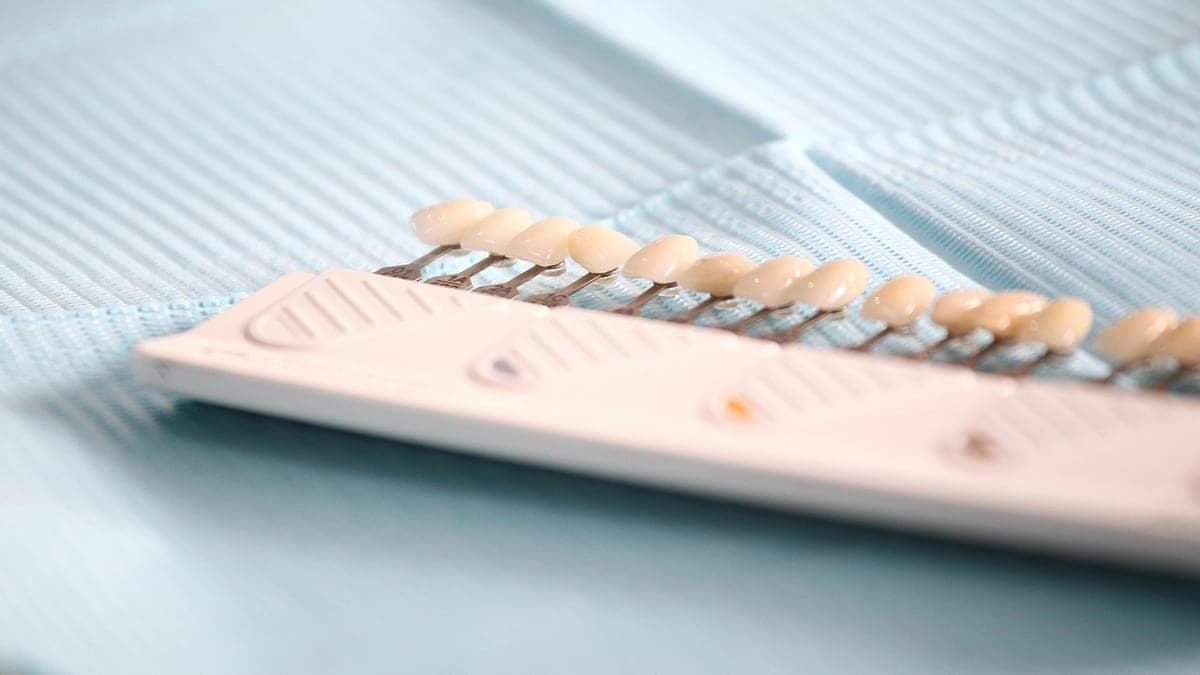
Whitening only changes shade — it can't fix chips, gaps, uneven edges or heavily stained old fillings, and it works best on teeth that are already reasonably even. Veneers change shade, shape and alignment together, covering chips, gaps and discoloration that whitening can't reach, and typically last 10–15 years or more. The simplest test: if your only concern is that your teeth look dull or yellow, start with whitening; if you also want to change the shape, size or evenness of your teeth, veneers are the treatment actually built for that.
Key takeaways
- Whitening changes shade only — it can't fix chips, gaps, uneven edges or old discoloured fillings.
- Veneers change shade, shape and alignment together, and typically last 10–15 years or more.
- Whitening is reversible and lower-cost; veneers involve minimal, largely irreversible tooth preparation.
- Many patients only need one or the other — combining both is sometimes recommended, but never assumed by default.
What does whitening actually fix — and what does it miss?
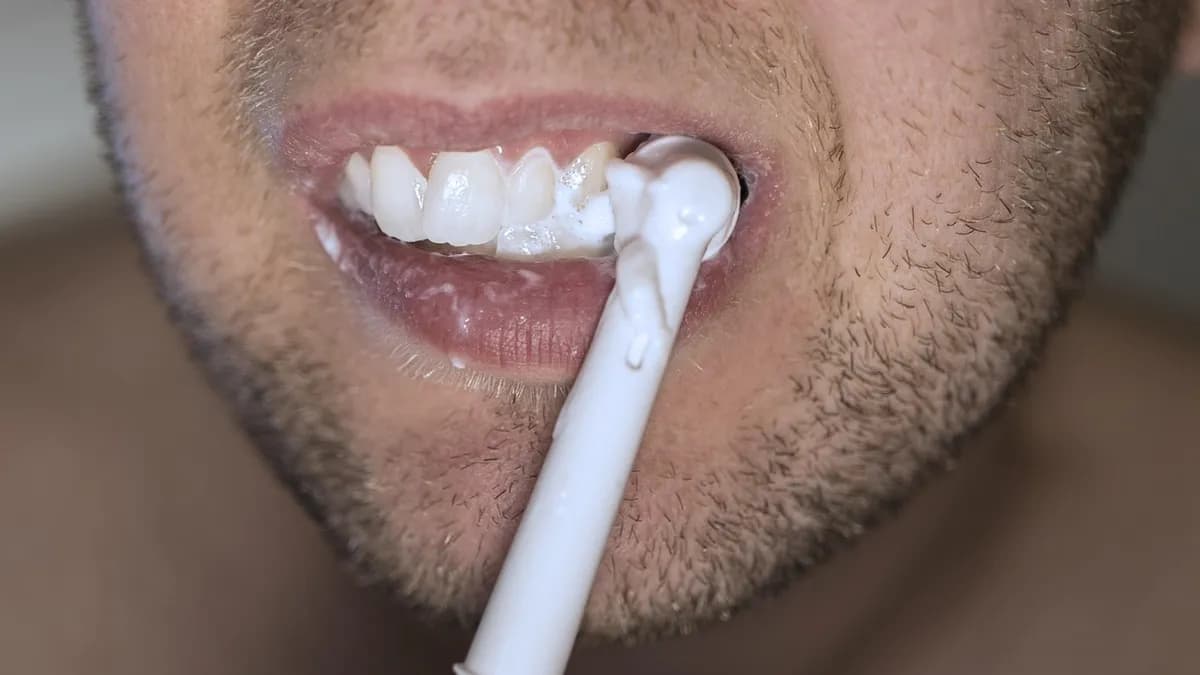
Teeth whitening lifts staining and discoloration to make your natural teeth several shades lighter, using a bleaching gel applied in-clinic or with a custom take-home kit. It works well on teeth that are already a fairly even, healthy shape and colour, and it's fully reversible — nothing is removed from the tooth. What it can't do is change the shape of a chipped or worn tooth, close a gap, straighten a crooked tooth, or reliably lighten old fillings, crowns or root-canalled teeth, which don't respond to bleaching the way natural enamel does. If your main frustration is shape, spacing or alignment rather than colour, whitening alone won't solve it, however many sessions you do.
What do veneers fix that whitening can't?
A veneer is a thin, custom-made shell — usually E-max porcelain — bonded to the front of the tooth, which means it changes shade, shape, length and alignment all at once rather than colour alone. That makes veneers the right tool for chipped edges, visible gaps, slightly crooked or uneven teeth, and discoloration that won't respond to bleaching, such as stained old fillings or naturally grey-toned enamel. In Turkey, veneers are typically priced per tooth (indicatively £180–320 each), with a written quote confirming the exact count and material. The trade-off is that veneers require a small, largely irreversible amount of tooth preparation, and they typically last 10–15 years or more with good care before they may need replacing. They're a bigger commitment than whitening, which is exactly why they solve problems whitening structurally cannot.
Veneers usually fit when
- You have chips, gaps or uneven edges
- Old fillings or crowns don't match your other teeth
- You want to adjust shape as well as colour
- You want a result that doesn't rely on ongoing top-ups
Whitening usually fits when
- Your only concern is shade, not shape
- Your teeth are already reasonably even
- You want a reversible, lower-cost option first
- You're happy to repeat treatment occasionally to maintain the result
Can you do both, and in what order?
Yes — many smile plans use both, but the order matters. Whitening is usually done first, because veneers are colour-matched to your surrounding natural teeth; if you whiten afterwards, the veneers themselves won't lighten and will suddenly look darker than the teeth around them. Once your natural shade is set through whitening, any veneers are shaded to match it, giving a result that stays consistent over time. This is a planning decision your dentist should walk you through before any treatment starts, not something decided tooth-by-tooth as you go.

How do you decide which one your smile actually needs?
Start with what specifically bothers you: if it's purely that your teeth look dull, stained or yellow, whitening is the simpler, reversible, lower-cost first step. If you also notice chips, gaps, uneven length or a tooth that's shaped differently from its neighbours, whitening will lighten the problem without solving it, and veneers are the treatment actually designed for that combination. A short video consultation or a few clear photos is usually enough for a dentist to tell you honestly which category you fall into, rather than defaulting to the more expensive option.
Frequently asked
Professional whitening, done correctly and not overused, is considered safe for enamel. Some temporary sensitivity is common during treatment and usually settles within a few days.
Results vary with diet and habits like coffee, tea, red wine and smoking — many patients see noticeable fading within 6–24 months and choose occasional top-ups to maintain the shade.
Not with the right shade and shape planning — a natural result comes from matching your face and surrounding teeth rather than choosing the whitest option available.
Yes — many patients treat only the visible front teeth rather than a full arch. Your dentist can advise on the number needed for a balanced result based on your photos.
The natural teeth around your veneers will lighten, but the veneers themselves won't change colour, which can create a visible mismatch — ask your dentist about options if this happens.
Get an honest recommendation, not a default sale
Share a few photos and we'll tell you honestly whether whitening, veneers, or both actually fit your smile — with a clear price, free, within 24 hours.
Message us on WhatsApp