7/26/2026 · 6 min read
Why Is Dental Treatment So Much Cheaper in Turkey? (Without Cutting Corners)
The honest reasons Turkish dental prices are lower — and why it isn't about cutting corners.
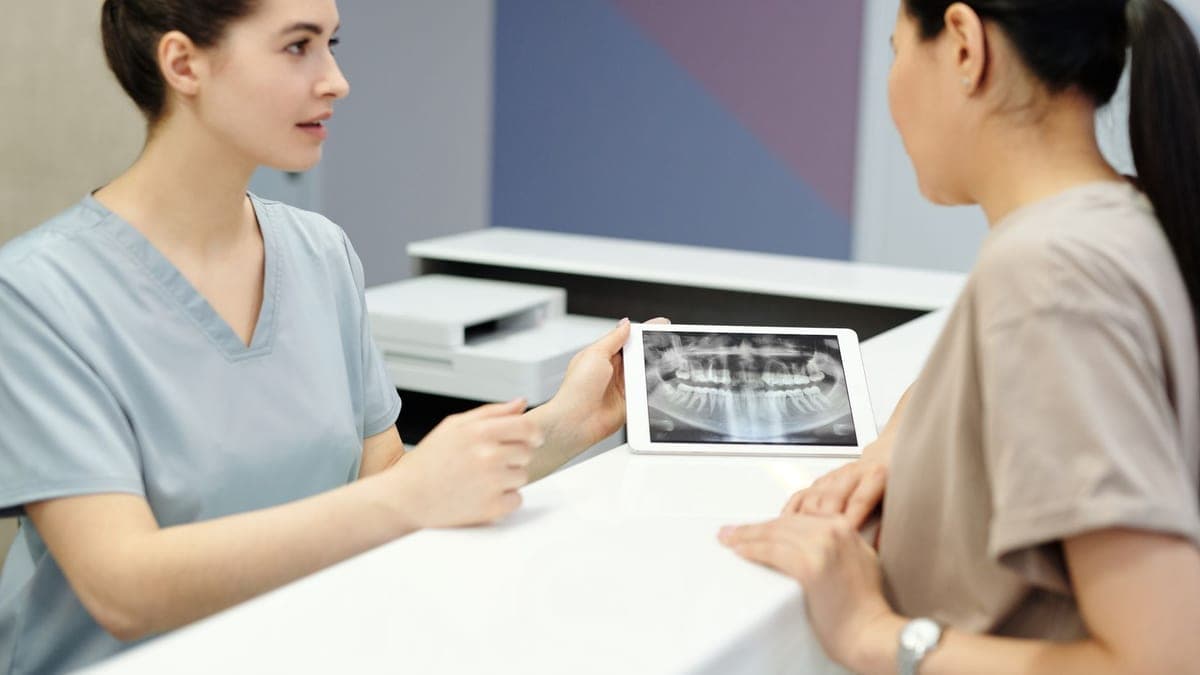
Dental treatment in Turkey typically costs 50–70% less than the UK, Germany or Spain — a real gap driven by lower clinic overheads, the exchange rate, and a deep specialist training tradition, not by cheaper materials or shortcuts. Reputable clinics still use the same branded materials (E-max, zirconia) and hold the same international accreditations as Western clinics. The price difference is about cost structure, not standards.
Key takeaways
- Turkish dental prices are lower mainly because of lower overheads, rent and staff costs — not lower-grade materials.
- The exchange rate means your pound or euro buys significantly more in Turkey than at home.
- Turkey trains a very high number of dentists and specialists each year, creating strong, competitive clinical expertise.
- Reputable clinics still use branded materials (E-max, zirconia) and hold accreditations like TEMOS, ISO and JCI.
What actually makes dental treatment cheaper in Turkey?
The honest answer is cost structure, not corner-cutting. Clinic rent, staff wages, equipment and lab costs are all substantially lower in Turkey than in the UK, Germany or Spain, and those savings are passed directly to the price you're quoted. A modern, accredited clinic in Istanbul can therefore charge 50–70% less for the same procedure, using the same imported materials, without operating at a loss. None of this depends on using cheaper implants, lower-grade porcelain, or skipping steps in the process.
What genuinely drives the lower price
- Lower clinic rent, staff wages and running costs than Western Europe
- A favourable exchange rate for pounds and euros
- High patient volume, which spreads fixed costs over more cases
- Efficient, digitally-planned treatment that reduces wasted chair time
What never gets cut to hit that price
- Branded materials — E-max, zirconia, the same systems used in the UK
- Sterilisation, safety and hygiene standards
- The dentist's qualifications or the time spent planning your case
- Your written guarantee on major treatments
Why does Turkey have such strong dental expertise?
Turkey has a long-established, highly competitive dental education system, producing a large number of qualified dentists and specialists every year. That scale creates real specialisation — many Istanbul clinics focus heavily on international patients and cosmetic or implant dentistry specifically, so the dentists doing your treatment are likely to have done the exact procedure many times before. Clinics built around dental tourism also invest in digital planning tools — 3D scanning, digital smile design — because efficient, predictable treatment is what keeps a short trip realistic. None of that is a discount version of dentistry; it's a different, high-volume business model built around the same clinical standards.
How much does the exchange rate really matter?
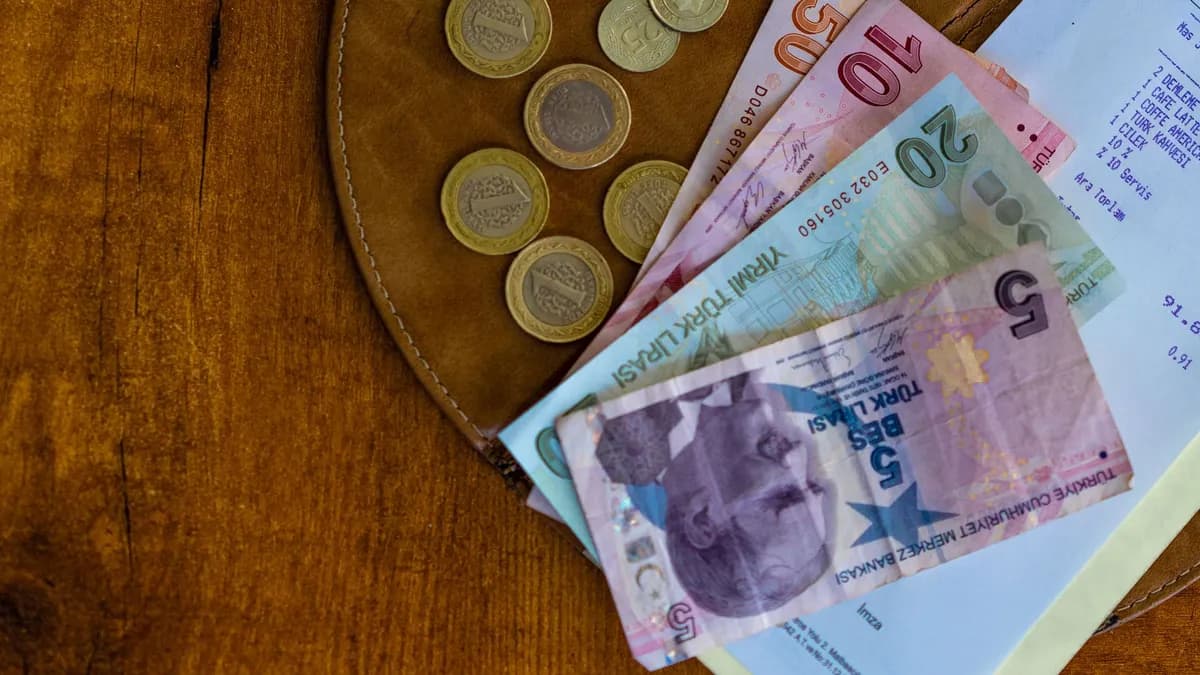
A meaningful part of the saving is simply currency. Clinic costs in Turkey — rent, salaries, materials sourced locally — are priced in Turkish lira, while patients from the UK, Germany or Spain are paying with pounds or euros that convert favourably. This is a genuine, structural reason for lower prices that has nothing to do with the quality of your treatment; it's the same dynamic that makes many goods and services more affordable for visitors to Turkey generally. It also means the saving can vary a little over time as exchange rates move, which is one more reason to get a current, written quote rather than relying on prices you've seen elsewhere.
So does cheaper really mean the same quality?
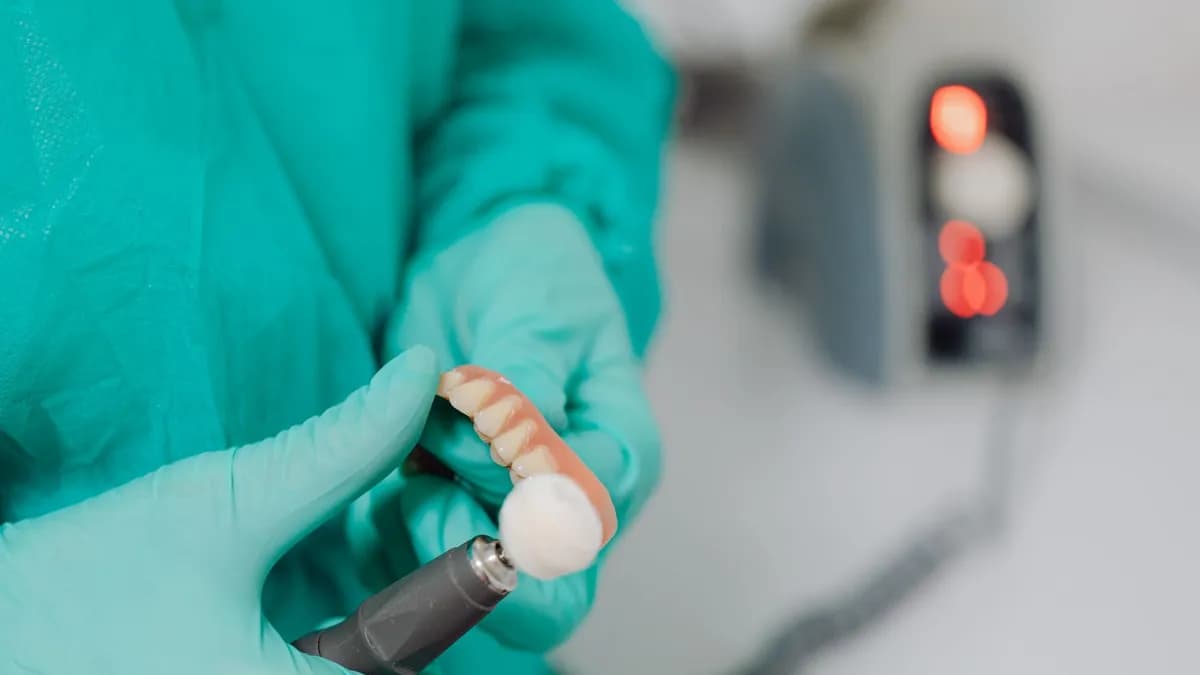
When you choose an accredited clinic, yes. Clinic Mery holds TEMOS, ISO, JCI, TÜV and Turkish Ministry of Health accreditation, uses the same branded materials as Western clinics, and backs major treatments with a written guarantee of up to 5 years. The lower price reflects where the clinic is based and how it's run, not what goes into your mouth. The way to protect yourself either way is the same everywhere: ask for a named dentist, a written itemised quote, and confirmation of the exact materials being used before you travel.
Frequently asked
No — reputable clinics use the same branded materials as Western Europe, such as E-max and zirconia. The savings come from lower overheads, staff costs and the exchange rate, not from substituting cheaper materials.
Running costs — rent, wages, equipment, local lab work — are structurally lower in Turkey, and the exchange rate stretches pounds and euros further. Those savings are passed on directly rather than absorbed as extra profit margin.
It shouldn't, and at an accredited clinic it doesn't. Digital planning tools actually make treatment more efficient, not faster in a way that skips steps — your dentist should still review your case personally and explain the plan before anything is done.
Ask for the dentist's name and credentials, a written itemised quote naming the exact materials, and written confirmation of your guarantee. A clinic confident in its standards will answer all three without hesitation.
Not necessarily — prices depend on your specific case, the materials chosen, and some movement in the exchange rate over time. Always ask for a current, personalised quote rather than assuming an old price still applies.
Get your written, itemised quote
Share a few photos and our dentist will review your case and send a clear plan with an exact price — free, within 24 hours.
Message us on WhatsApp