
7/30/2026 · 6 min read
Yellow or Stained Teeth: Why It Happens and How to Fix It for Good
Yellowing has two very different causes — here's how to tell which one you have, and which fix actually works for good.
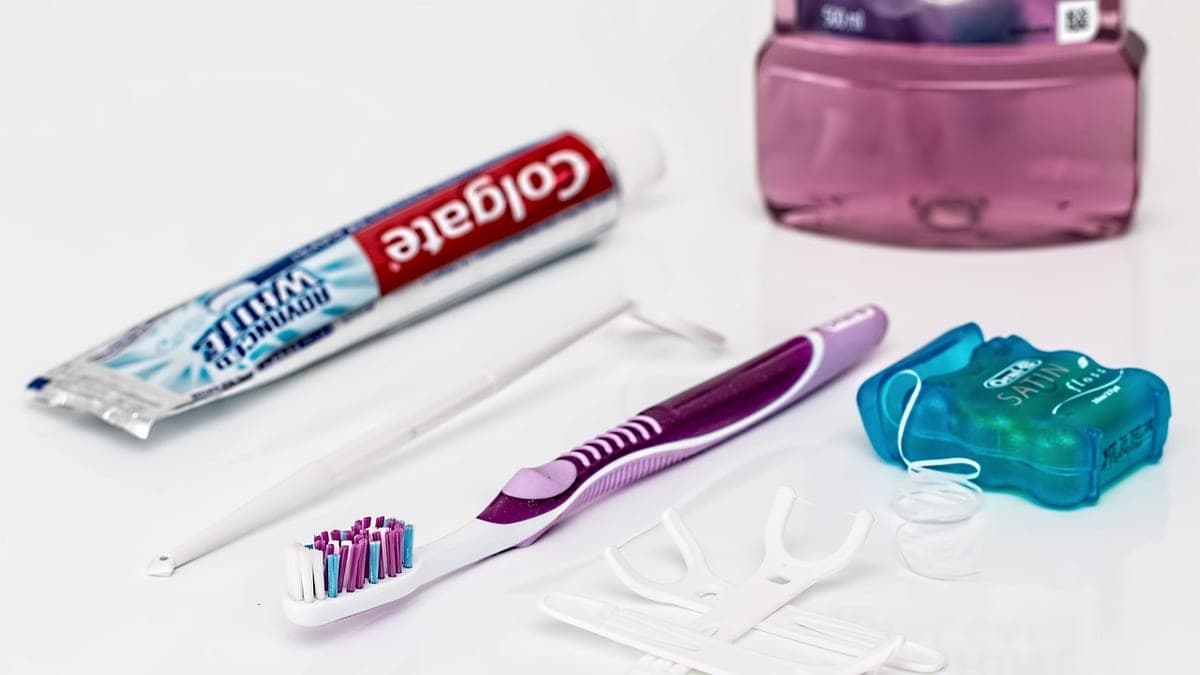
Teeth yellow or stain for two broad reasons — surface (extrinsic) staining from coffee, tea, wine or smoking, and internal (intrinsic) staining from aging, genetics or certain medications — and the two respond very differently to treatment. Professional whitening lightens most surface stains and general yellowing safely, under a dentist's supervision. Stains that don't respond to whitening are usually covered with thin porcelain veneers, typically £180–320 per tooth in Turkey, for a permanent, natural-looking fix.
Key takeaways
- Yellowing comes from two causes — surface (extrinsic) stains from food, drink and smoking, and internal (intrinsic) staining from aging, genetics or certain medications.
- Professional whitening lightens most surface stains and general yellowing safely, under a dentist's supervision.
- Stains that don't respond to whitening are usually covered with porcelain veneers, typically £180–320 per tooth in Turkey.
- DIY whitening kits and abrasive home remedies can damage enamel and gums — professional supervision keeps whitening safe.
Why do teeth turn yellow or become stained in the first place?
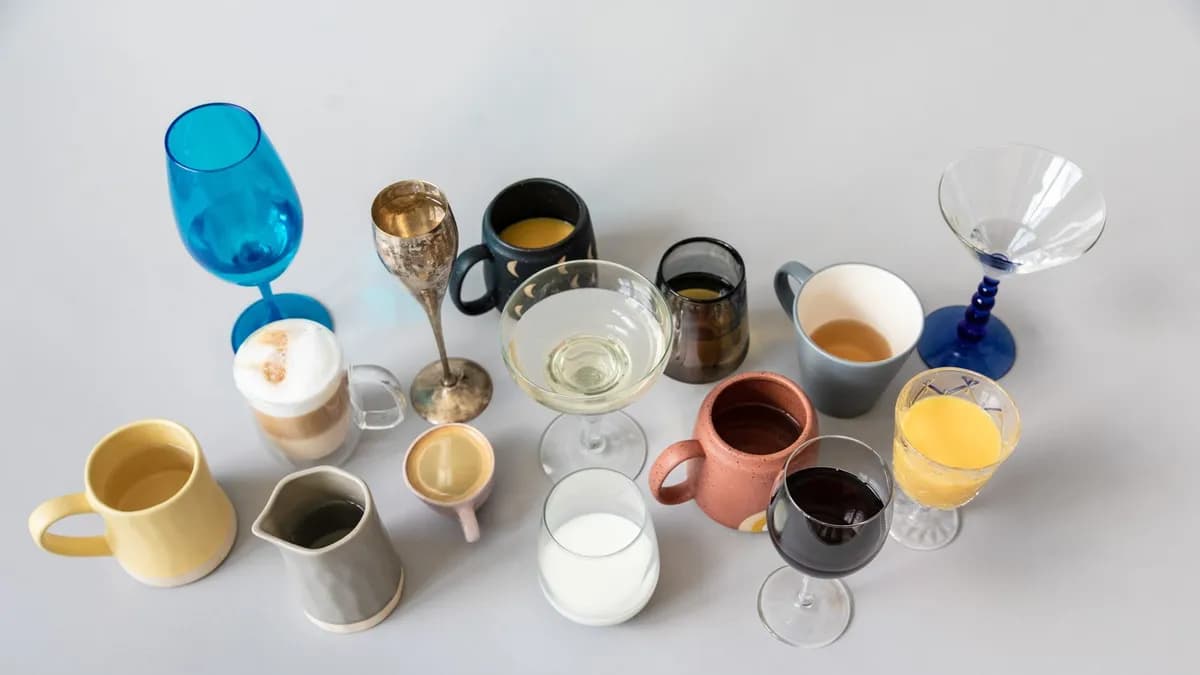
Yellowing generally comes from two very different sources, and telling them apart matters for choosing the right fix. Enamel naturally thins a little with age, gradually revealing more of the yellower dentin layer underneath — a normal part of getting older, not a sign anything is wrong. Separately, the outer enamel is slightly porous, so pigments from coffee, tea, red wine, tobacco and some sauces build up on the surface over years, which is what most people mean by 'stained' teeth. A smaller group of cases are intrinsic — the discolouration sits inside the tooth structure itself, from childhood tetracycline antibiotic exposure, high fluoride intake while teeth were forming, or simply genetics, and these look and respond to treatment differently from surface staining.
Which solution actually fixes your type of staining?
Because yellowing has more than one cause, the fix that works well for a coffee drinker isn't necessarily the fix that works for someone with staining from childhood medication — matching the solution to the actual cause is what makes a result last.
| Type of staining | What causes it | Best-fit solution |
|---|---|---|
| Surface stains (coffee, tea, wine, smoking) | Pigment building up in the porous outer enamel | Professional whitening |
| General age-related yellowing | Enamel thins, showing more of the yellower dentin beneath | Professional whitening, sometimes combined with veneers |
| Intrinsic staining (tetracycline, fluorosis, genetics) | Discolouration sits inside the tooth structure itself | Porcelain veneers — whitening alone rarely lifts it fully |
| Stained old fillings or crowns | Restorations don't whiten and can look darker after surrounding teeth lighten | Replacing the restoration, planned alongside whitening |
How does professional teeth whitening actually work, and what are its limits?
Professional whitening uses a peroxide-based gel, applied either in-chair under supervision or at home in custom-fitted trays your dentist provides, which breaks down stain molecules within the enamel and outer dentin over one or more sessions. It works well on general yellowing and most surface staining, though the exact result depends on your starting shade — it lightens teeth, it doesn't bleach them to an artificial, fixed colour. It's genuinely limited on intrinsic staining like tetracycline marks, which sit deeper in the tooth and often barely respond even to repeated sessions. Whitening isn't in our fixed price list because it depends on the method and number of sessions, but it typically costs up to 70% less than the UK, Germany or Spain — message us on WhatsApp for an exact quote.
When whitening isn't enough, is a permanent fix like veneers the answer?
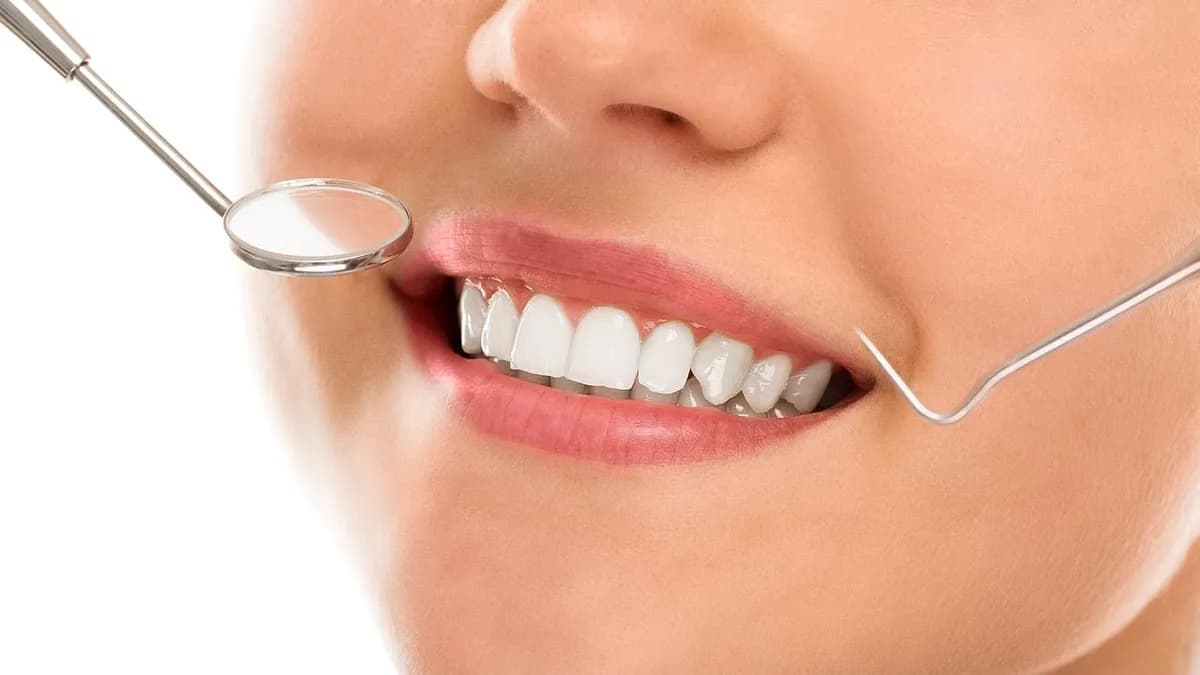
If your staining is intrinsic, or you've already tried supervised whitening without the result you wanted, thin porcelain veneers bond a permanent, stain-resistant shade over the front of each tooth rather than trying to lighten what's underneath. This is a genuinely different decision from whitening, though, because veneers are irreversible and remove a thin layer of enamel — they're the right call for staining that truly won't respond to whitening, not a shortcut for someone who simply hasn't tried whitening yet. Used for the right reason, they give a stable, natural-looking result that doesn't fade the way whitening gradually can.
Indicative ranges only — your exact price depends on how many teeth need treatment. Request a free WhatsApp quote.
Frequently asked
No. It works well on general yellowing and most surface stains from food, drink or smoking, but deep intrinsic staining — from childhood medication, fluorosis or genetics — usually doesn't lift fully with whitening alone, which is when veneers become the more realistic option.
Professionally supervised whitening is safe for most patients, with temporary sensitivity being the most common side effect. Unsupervised, high-strength or abrasive DIY methods carry a real risk of enamel damage or gum irritation, which is why supervision matters.
Results aren't permanent — they gradually fade with the same habits that caused the staining in the first place, so many patients top up occasionally to maintain the shade. How quickly depends heavily on your diet and whether you smoke.
They can have a mild effect on surface stains through gentle polishing, but they're much weaker than professional whitening and can't lighten intrinsic staining at all.
Yes, when properly shade-matched and planned by an experienced dentist. Veneers are designed to blend naturally with any remaining natural teeth, not to create one uniform, artificial white.
Get your personalised whitening plan
Share a photo of your teeth and our dentist will tell you honestly whether whitening or veneers fits your staining, with an exact price — free, within 24 hours.
Message us on WhatsApp