
7/24/2026 · 6 min read
Zirconium vs Porcelain-Fused-to-Metal Crowns: The Real Difference
Zirconia or metal-fused crown? An honest look at what's actually different — looks, strength and price.
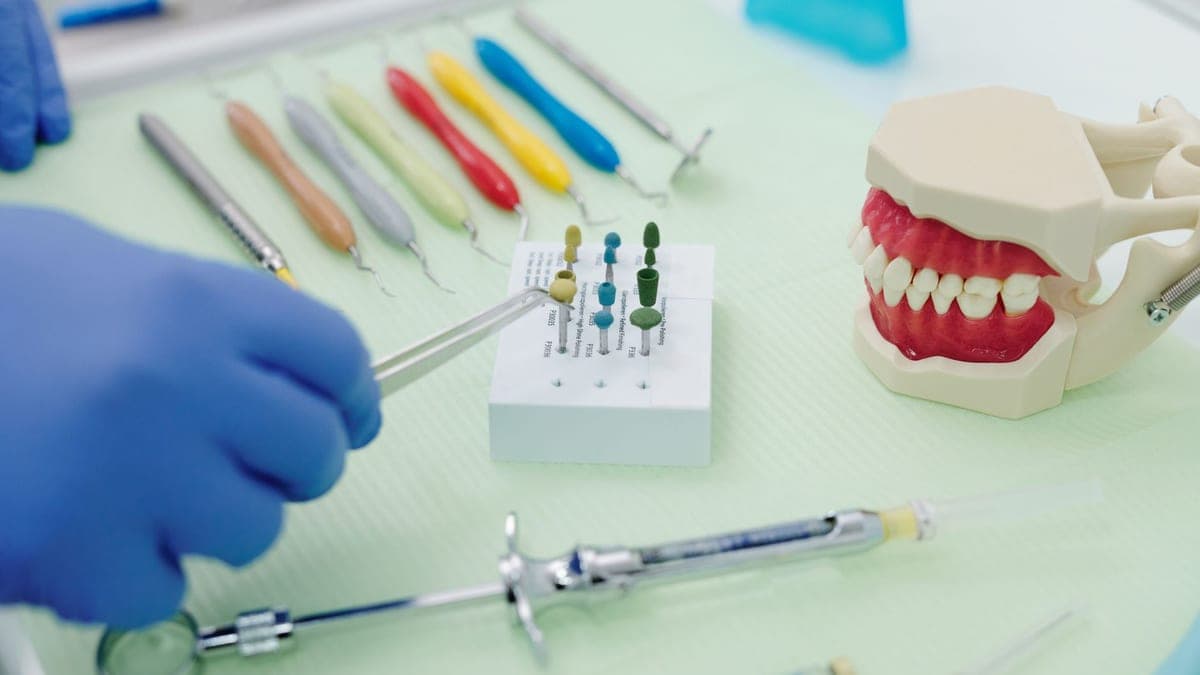
Zirconia crowns are milled from a solid, metal-free ceramic block, so they look naturally translucent and never show a dark line at the gum. Porcelain-fused-to-metal (PFM) crowns use a metal substructure under the porcelain — a well-established, durable technique, but one that can eventually reveal a grey margin as gums change. In Turkey a zirconia crown typically costs £150–280 per tooth; PFM is usually somewhat less. Neither material wins every case — the right one depends on where the tooth sits, your gums and your budget.
Key takeaways
- Zirconia crowns are solid, metal-free ceramic; PFM crowns use a metal substructure under a layer of porcelain.
- Zirconia avoids the grey gumline that PFM can eventually show as gums recede with age.
- In Turkey, zirconia typically costs £150–280 per tooth; PFM is usually somewhat less — ask for an exact quote.
- Neither material wins every case — the right choice depends on the tooth's position, your gums and any metal sensitivity.
What's actually different between zirconia and metal-fused crowns?
A zirconia crown is milled from a single, solid block of zirconium dioxide — a strong ceramic with no metal anywhere in its structure. A porcelain-fused-to-metal crown, usually shortened to PFM, is built the other way round: a metal alloy forms the inner core for strength, and porcelain is layered over the top to give it a tooth-coloured surface. PFM is an older, extremely well-established technique with decades of clinical use behind it and a genuinely strong track record. Zirconia is newer to general use but is now extensively documented too, and because it has no metal core at all, it avoids two specific issues that come with PFM: a visible line at the gum and, rarely, sensitivity to certain metal alloys.
| Criterion | Zirconia | Porcelain-Fused-to-Metal (PFM) |
|---|---|---|
| Core material | Solid zirconia ceramic | Metal alloy substructure |
| Look at the gumline | No dark line, stays natural as gums change | Can show a grey line over time |
| Metal content | None | Metal core beneath the porcelain |
| Strength | Very high, suited to back teeth | Strong, decades of clinical use |
| Turkey price (per tooth) | £150–280 | Usually somewhat lower — ask for a written quote |
Which one looks and lasts better, day to day?
For visible front teeth, zirconia usually has the aesthetic edge — its translucency mimics natural enamel more closely, and because there's no metal underneath, there's nothing to show through as a dark line even years later as your gums naturally change. For back teeth that take heavy chewing force but are rarely seen when you smile, PFM's decades-long track record makes it a genuinely reasonable option too, and cost can be a legitimate factor in that decision. On durability, both materials, properly bonded and cared for, commonly last well over a decade — the real, practical difference patients notice day to day is less about which is 'stronger' overall and more about the gumline.
The grey line is the real practical difference
In most day-to-day comparisons, the single biggest practical difference patients notice isn't strength — both materials are strong — it's whether a dark or grey line can appear at the gum years later. Zirconia has no metal to reveal, ever; PFM's metal margin can become visible as gums naturally recede with age. For a back molar nobody sees, that trade-off often won't matter; for a front tooth, it usually does.
How much do zirconia and metal-fused crowns cost in Turkey?
A zirconia crown in Turkey typically costs £150–280 per tooth, compared with £700–1,000 in the UK, Germany or Spain for the same milled ceramic — a saving of around 70%. PFM is generally priced somewhat lower than zirconia because it uses a less costly metal substructure, but Clinic Mery only recommends it when it genuinely fits your case, not simply because it's the cheaper default. Ask for a written, itemised quote once your dentist has reviewed your photos or X-ray, so you know exactly what each tooth needs and what it costs before you travel.

So which one should you actually choose?
There's no single 'better' material here — the right one depends on where the tooth sits in your mouth, how your gums are likely to change over the years, whether you have any known metal sensitivity, and your budget. A named, accredited dentist reviewing your case can weigh those factors properly rather than defaulting to whichever material is quickest to quote. Both zirconia and PFM are legitimate, real dental materials used by reputable clinics worldwide, so the goal isn't to declare one universally superior — it's to match the material to your tooth, not the other way round.
Frequently asked
No — titanium is the metal typically used for the implant post itself, while zirconia (zirconium dioxide) is a ceramic used for the crown or cap on top. They're different materials for different jobs, though both are well tolerated by the body.
It is uncommon, but certain base-metal alloys can cause sensitivity in a small number of patients. If you have a known metal allergy, mention it beforehand so a metal-free option like zirconia can be planned instead.
It can, particularly as gums naturally recede with age and the metal margin beneath the porcelain becomes more visible. This is one of the main reasons zirconia is now preferred for visible front teeth.
Yes — modern zirconia is specifically valued for its strength under heavy chewing force, which is why it's widely used for molars as well as front teeth.
Yes, the material choice is ultimately something you discuss with your dentist. They will explain the trade-offs for your specific tooth so you can make an informed decision, not just a cost-based one.
Get a material recommendation
Share a photo or X-ray and our dentist will tell you honestly which crown material fits your tooth and budget, with a clear price — free, within 24 hours.
Message us on WhatsApp